

Quick Takeaways
- Advanced Electric Machines has raised GBP16 million in funding, according to a Drives & Controls report published on August 5, 2026.
- The company is developing electric motors that avoid rare-earth magnets and copper windings, using materials including steel and aluminium.
- The update is relevant to buyers reviewing supply-chain exposure, magnet availability, sustainability targets and future drivetrain sourcing.
- Buyers should still verify performance data, application fit, production timing and commercial availability directly with the supplier.
Industry Update
Drives & Controls reported that UK electric motor developer Advanced Electric Machines has secured GBP16 million in funding from investors including BGF and Barclays Climate Ventures. The company was spun out of Newcastle University in 2017 and is focused on electric motor designs that do not rely on rare-earth magnets.
The reported technology includes a patented HDSRM motor design that uses steel and aluminium rather than rare earths or copper windings. Drives & Controls also noted that the company has developed an integrated e-axle that combines a motor, inverter and gearbox in a compact package.
The report frames the funding as support for scaling the technology and expanding commercial adoption. It also notes leadership changes, including the appointment of a new chief executive and chair, as the company moves into its next growth stage.
Buyer Considerations
For motor buyers and engineering teams, the practical point is not that rare-earth-free designs are a drop-in answer for every application. It is that supply-chain risk, magnet availability and material selection are becoming more visible parts of motor specification, especially where electric drivetrains, compact actuation and high-volume sourcing are involved.
Procurement teams comparing BLDC motors, traction motors, gear motor assemblies or integrated drive units should ask whether the motor technology depends on rare-earth magnets, how the supplier manages material exposure and whether alternative motor topologies can meet the required torque, speed, thermal and efficiency targets.
Machine builders and OEMs should also treat integrated motor, inverter and gearbox packages as system-level decisions. Packaging, cooling, control strategy, service access, qualification testing and supplier support can matter as much as the motor nameplate data when a design moves from prototype to production.
Motor series to compare for this kind of project.
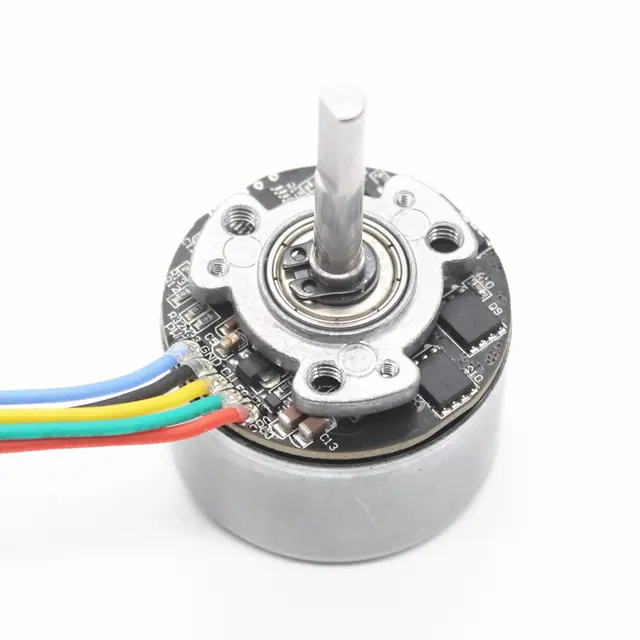 Brushless DC Motors
In internal rotor BLDC motors, the rotor with the permanent magnets rotates on a shaft inside a stationary stator with...
View series
Brushless DC Motors
In internal rotor BLDC motors, the rotor with the permanent magnets rotates on a shaft inside a stationary stator with...
View series
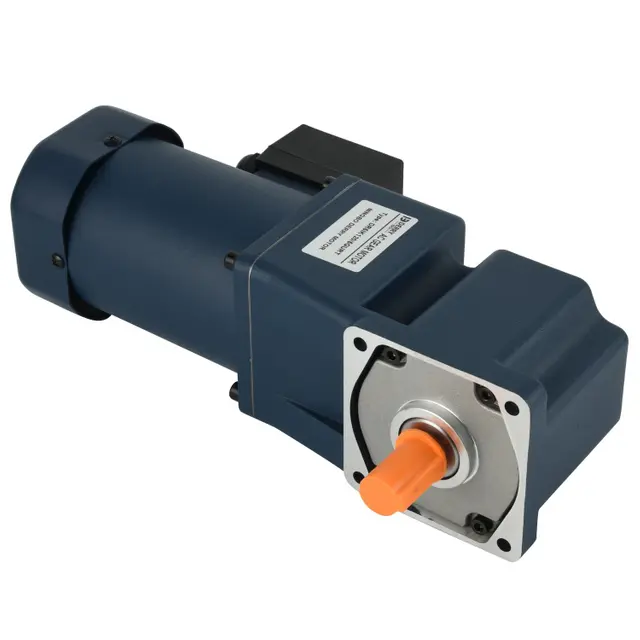 Universal AC Gear Motors
AC motors and gear motors include single-phase motors used with a single-phase AC power supply and three-phase motors...
View series
Universal AC Gear Motors
AC motors and gear motors include single-phase motors used with a single-phase AC power supply and three-phase motors...
View series
Frequently Asked Questions
Does this funding make rare-earth-free motors immediately available for all buyers?
No. The report describes funding and technology development, not universal availability. Buyers should confirm production readiness, lead times, testing data and application fit with the supplier.
Why do rare-earth-free motor designs matter for sourcing teams?
They can reduce dependence on magnet supply chains that may be exposed to price volatility, export controls or limited supplier options. The trade-off must still be checked against performance, cost and integration needs.
Which applications could be affected by this type of motor technology?
The most relevant areas include electric drivetrains, compact motion systems and OEM platforms where material exposure, packaging and long-term supply continuity are important.
Source
This article summarizes publicly available source information. Confirm technical details, pricing and compliance requirements with the original source before making purchasing decisions.
Source date: 2026-08-06