
Quick Takeaways
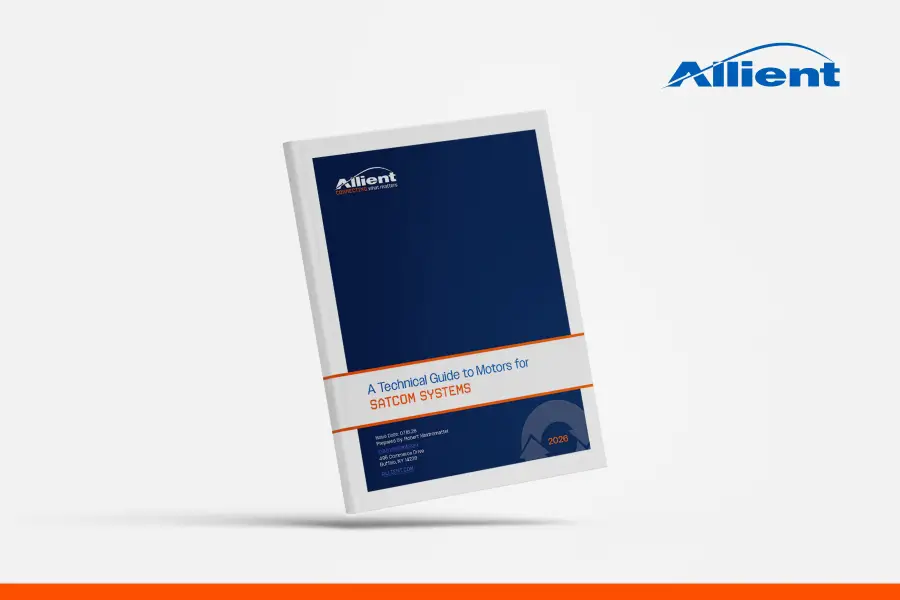
- Allient announced a new whitepaper on July 16, 2026 covering motor selection for satellite communication systems.
- The company frames SATCOM motion needs around pointing accuracy, performance, reliability, integration and operating environment.
- The source notes rising demands from Low Earth Orbit constellations and connectivity across land, sea, air and space.
- For buyers, the update reinforces the need to compare motor technology, controls, thermal limits, packaging and long-term reliability together.
Industry Update
Allient Inc. has announced a new whitepaper titled "A Technical Guide to Motors for SATCOM Systems," focused on practical guidance for selecting motors in satellite communication applications. The company describes itself as a designer and manufacturer of specialty motor, motion, controls and power products for targeted industries and applications.
The July 16, 2026 announcement says SATCOM systems are placing higher demands on motion technology as Low Earth Orbit constellations expand and connectivity requirements grow across land, sea, air and space. In these systems, motor selection is tied to the application, operating environment and expected reliability over time.
According to Allient, the whitepaper reviews where motors are used in SATCOM systems, available motor technologies, engineering challenges and selection factors including pointing accuracy, performance, reliability, integration, space environment, operating environment and size, weight and power constraints.
Buyer Considerations
For motor buyers and engineering teams, the update is a reminder that SATCOM motion is not only a torque or speed calculation. Antenna positioning, tracking assemblies and related motion systems may require careful matching between the motor, gearbox or direct-drive architecture, feedback device, drive electronics and mechanical packaging.
Buyers evaluating BLDC motors, servo motors, frameless motors or integrated motion products for SATCOM-related projects should ask suppliers how accuracy, duty cycle, thermal behavior, vibration, environmental exposure and integration requirements are verified for the intended installation. Size, weight and power constraints can also affect whether a standard catalog motor is suitable or whether a more specialized design is needed.
The announcement does not publish pricing, availability or validated performance figures for a specific motor model. Procurement teams should use the source as a selection guide and confirm application limits, documentation, qualification needs and lead times directly with the supplier before specifying a motor platform.
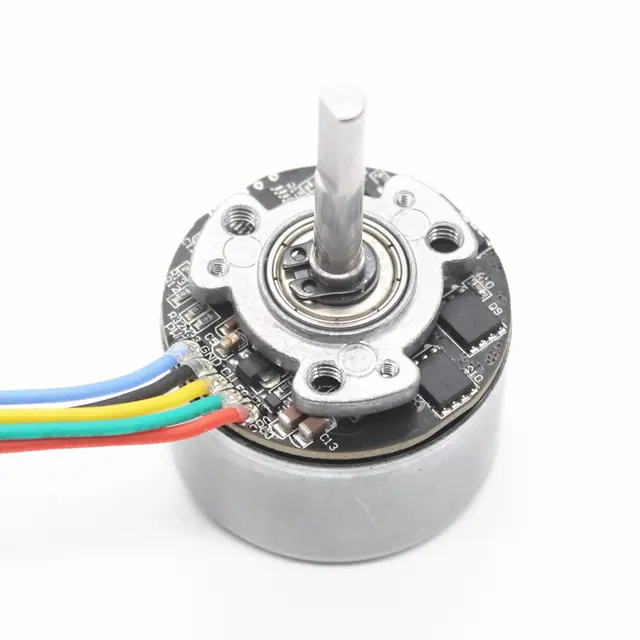
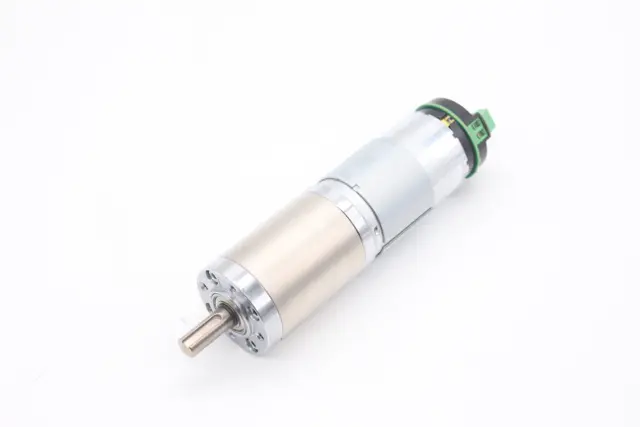
Motor series to compare for this kind of project.
Frequently Asked Questions
What changed for motor buyers?
Allient released new SATCOM-focused motor selection guidance, giving buyers a source to compare application needs such as pointing accuracy, reliability, integration and operating environment.
Which motor applications could be affected?
The guidance is relevant to satellite communication motion systems such as antenna positioning, tracking mechanisms and other assemblies where precise, reliable motion is required.
Does the announcement specify a new motor product?
No. The source focuses on selection guidance for SATCOM systems rather than announcing a specific new motor model with published price or performance data.
What should buyers verify with suppliers?
Buyers should confirm motor technology fit, drive and feedback compatibility, environmental limits, size and weight limits, reliability expectations, documentation needs and lead-time assumptions.
Source
This article summarizes publicly available source information. Confirm technical details, pricing and compliance requirements with the original source before making purchasing decisions.
Source date: 2026-07-18