
Quick Takeaways
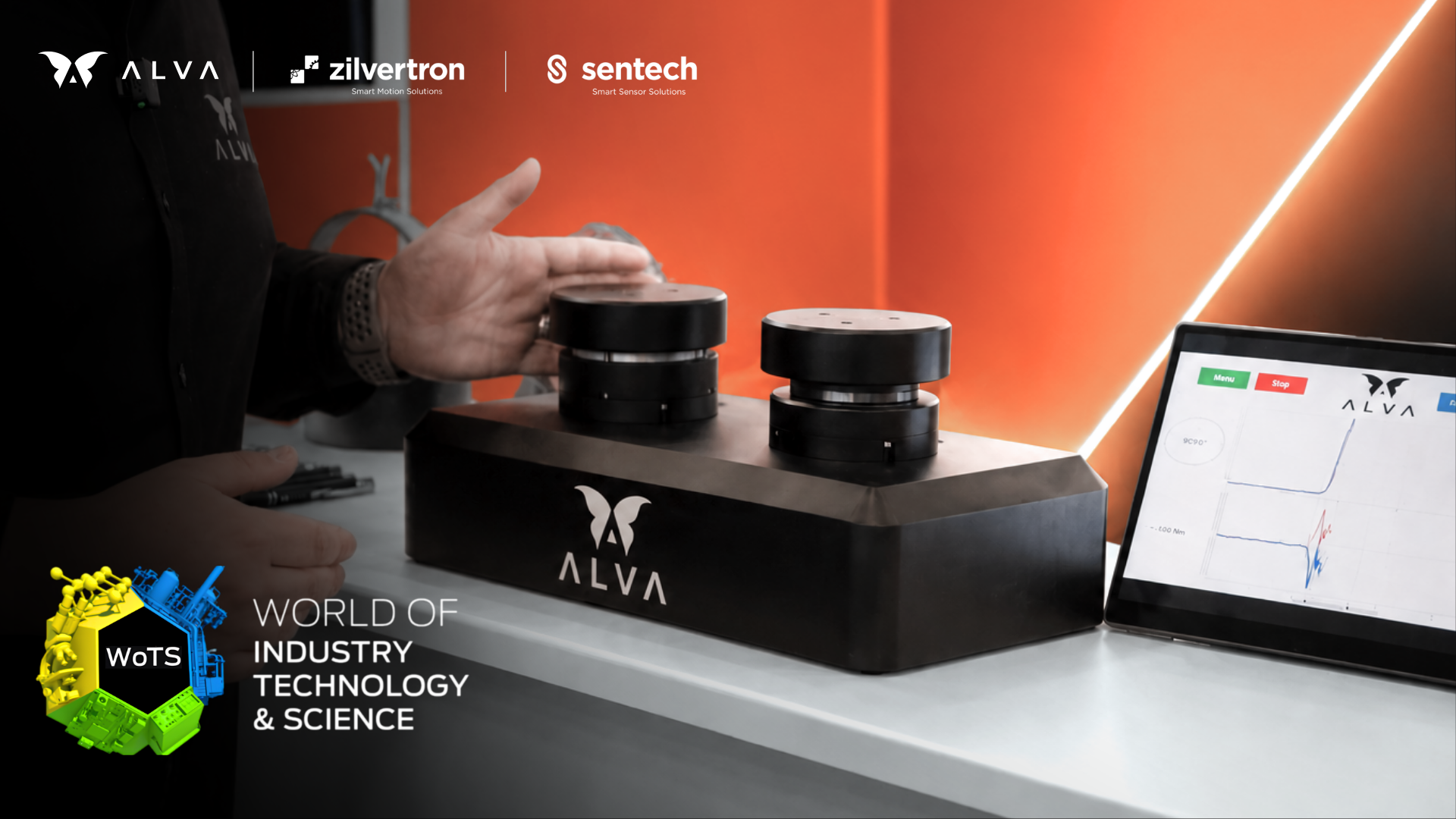
- Alva Industries is showing a slotless-versus-slotted motor comparison at WoTS 2026 in Utrecht from September 22 to 25.
- The demonstration is positioned around visible and tactile differences in sound, vibration and motion behavior.
- Alva says its Slimline Frameless Slotted and Slimline Frameless Slotless motor families target compact, high-performance motion applications.
- Buyers evaluating robotics, exoskeletons, drones, medical robotics or precision automation can use the update as a checklist for motor architecture trade-offs.
Industry Update
Alva Industries announced that it is bringing a hands-on comparison of slotless and slotted motor technology to WoTS 2026 in Utrecht, the Netherlands. The company says visitors can compare how the two motor architectures behave in terms of sound, vibration and overall smoothness during operation.
The September 17 source update also points to two slim frameless motor families: the Slimline Frameless Slotted series and the Slimline Frameless Slotless series. Alva describes the slotted family as a compact option where torque density and efficiency matter, while the slotless family is presented for ultra-smooth motion and low cogging torque.
For industrial buyers, the timing is useful because WoTS 2026 brings many motion-control and automation suppliers into one event window. Instead of treating "slotless" or "slotted" as a catalog label, the demonstration frames the choice as an application question involving motion feel, torque needs, available envelope, control strategy and acceptable vibration.
Buyer Considerations
Slotless motors are often considered when smooth movement, low cogging and quiet motion are high priorities. That can matter in surgical robotics, collaborative motion, inspection equipment, laboratory automation and other systems where small torque ripple or audible vibration may affect performance or user experience.
Slotted motors can still be attractive where compact torque production, thermal design, cost targets and established manufacturing routes carry more weight. Buyers should compare continuous torque, peak torque, winding options, thermal path, encoder integration, mounting interface and drive compatibility rather than selecting on architecture alone.
The practical lesson is to request application-specific data before committing to a motor family. For compact automation and robotics projects, useful checks include measured cogging torque, acoustic behavior at the intended speed range, torque margin under load, bearing arrangement, cable routing and whether the supplier can support prototype quantities and future production demand.
Motor series to compare for this kind of project.
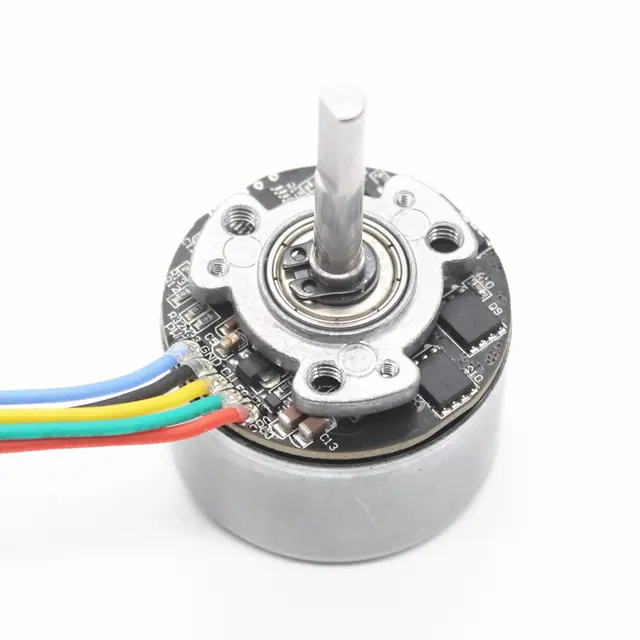 Brushless DC Motors
In internal rotor BLDC motors, the rotor with the permanent magnets rotates on a shaft inside a stationary stator with...
View series
Brushless DC Motors
In internal rotor BLDC motors, the rotor with the permanent magnets rotates on a shaft inside a stationary stator with...
View series
 DC Worm Gear Motors
Easty’Worm Gear Motors are designed to generate high torque in a small package size. Worm Gear Motors are great for...
View series
DC Worm Gear Motors
Easty’Worm Gear Motors are designed to generate high torque in a small package size. Worm Gear Motors are great for...
View series
Frequently Asked Questions
What changed in this Alva Industries update?
Alva announced a WoTS 2026 demonstration that lets visitors compare slotless and slotted frameless motor behavior, including sound, vibration and smoothness.
Does this affect motor buyers immediately?
It does not change a regulation or mandate, but it gives buyers a current comparison point when evaluating compact motors for robotics, medical equipment, drones and precision automation.
What should buyers ask before choosing slotless or slotted motors?
Buyers should ask for torque curves, cogging torque data, thermal limits, drive compatibility, mounting details, encoder options and evidence from similar duty cycles.
Which applications could benefit from this comparison?
Applications with tight size limits and precise motion needs, such as robotics joints, exoskeletons, UAV systems, inspection tools and medical automation, may benefit from comparing both architectures.
Source
This article summarizes publicly available source information. Confirm technical details, pricing and compliance requirements with the original source before making purchasing decisions.
Source date: 2026-09-22