
Quick Takeaways
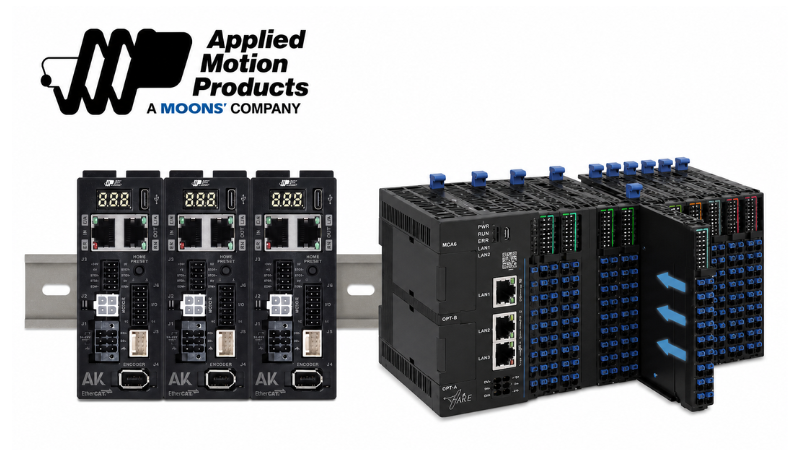
- Control.com reported on July 12, 2026 that Applied Motion Products highlighted several motion-control platforms tied to automation applications.
- The coverage includes integrated motor-drive products, servo motors, stepper drives and controller options rather than a single standalone motor.
- The update is most relevant to machine builders comparing compact axis design, drive matching, feedback choices and commissioning complexity.
- Buyers should verify model-level ratings, communication options, encoder requirements and enclosure suitability before selecting a platform.
Industry Update
Control.com reports that Applied Motion Products presented a group of motion-control platforms for automation builders, covering integrated motors, servo products, stepper drives and control hardware. The article frames the update around keeping machine axes moving as automation systems become more compact and software-connected.
The reported lineup includes MDX+ integrated motors, SVM servo motors, StepSERVO drives, STR stepper drives and the M5 Servo Series. For buyers, that mix matters because motion-control decisions often involve the full axis package: motor type, drive electronics, feedback, cabling, software setup and available panel space.
The update does not by itself define a universal replacement for existing motors or drives. It does, however, show that motion suppliers are continuing to package motor, drive and control functions in ways that can reduce integration work for OEMs and automation teams.
Buyer Considerations
For a new machine axis, buyers should compare whether an integrated motor-drive package or a separated motor and drive layout is better for the available space, thermal environment and maintenance plan. Integrated designs can simplify wiring, while separated drives may still be preferred when panel serviceability, heat management or platform standardization is the priority.
Servo and stepper choices should be tied to the actual duty cycle, load inertia, speed range, stopping accuracy and feedback requirements. A compact motor-drive package can be attractive, but the final selection still depends on torque margin, encoder needs, brake options and the controls network used by the machine.
Sourcing teams should also ask whether the selected family has stable availability across frame sizes and drive ratings. When several motor and drive families are presented together, the practical value comes from choosing parts that can scale across multiple axes without adding unnecessary spare-part complexity.
Motor series to compare for this kind of project.
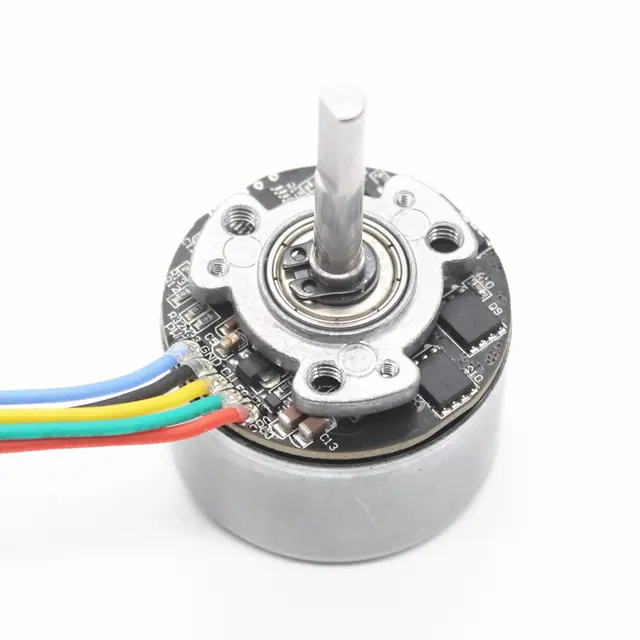 Brushless DC Motors
In internal rotor BLDC motors, the rotor with the permanent magnets rotates on a shaft inside a stationary stator with...
View series
Brushless DC Motors
In internal rotor BLDC motors, the rotor with the permanent magnets rotates on a shaft inside a stationary stator with...
View series
 DC Worm Gear Motors
Easty’Worm Gear Motors are designed to generate high torque in a small package size. Worm Gear Motors are great for...
View series
DC Worm Gear Motors
Easty’Worm Gear Motors are designed to generate high torque in a small package size. Worm Gear Motors are great for...
View series
Frequently Asked Questions
Does this update affect buyers choosing between servo and stepper motors?
Yes. The reported products cover both servo and stepper-related platforms, so buyers can use the update as a reminder to compare load profile, positioning accuracy, feedback and control-network needs before committing to either motor type.
Are integrated motors always better than separate motor and drive systems?
No. Integrated motors can reduce wiring and panel space, but separate drives may be better for heat management, service access or standardized controls cabinets. The better choice depends on the machine layout and duty cycle.
What should OEMs verify before specifying one of these platforms?
OEMs should confirm torque and speed ratings, feedback format, communication interface, software tools, cable requirements, environmental limits and availability for the exact model needed in production.
Source
This article summarizes publicly available source information. Confirm technical details, pricing and compliance requirements with the original source before making purchasing decisions.
Source date: 2026-07-15