
Quick Takeaways
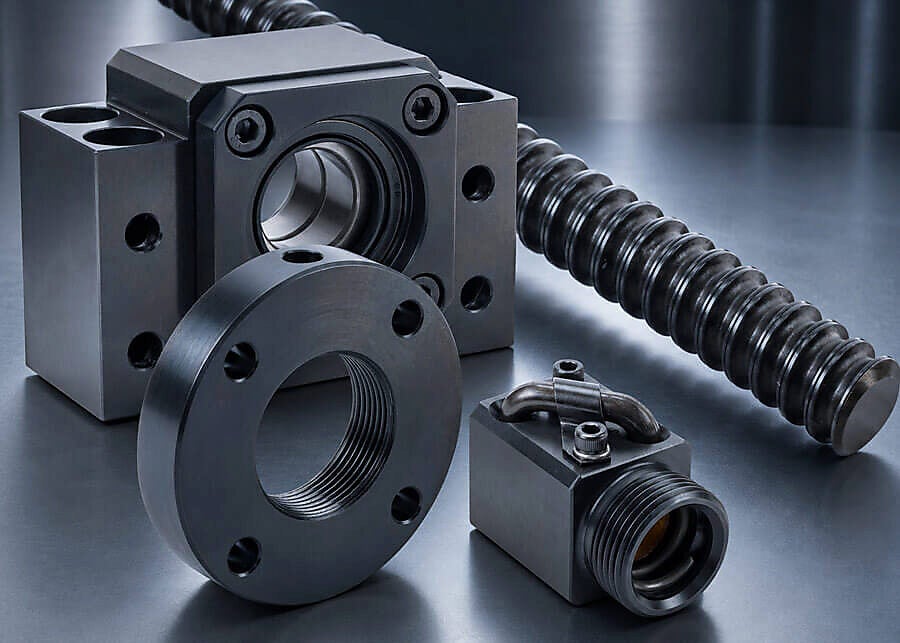
- AutomationDirect's July 30 newsletter listed Rockford Ball Screw ball screws and ball nuts among newly available components.
- The update is relevant to engineers pairing rotary motors with linear motion assemblies for positioning, gantry, machine-tool, robotics, and general automation tasks.
- Buyers should compare screw size, ball nut style, lead accuracy, end machining, mounting supports, lubrication needs, and load ratings before substituting parts into an existing axis.
Industry Update
AutomationDirect published its Volume 28 Issue 7 newsletter on July 30, 2026, with a product section that points buyers to Rockford Ball Screw ball screws and ball nuts. The newsletter positions the components as part of the company's newly available offering for mechanical power transmission.
The linked product information describes ball screws and ball nuts as components that convert rotary motion into smooth linear movement for motion control systems. It also describes the category as suitable for automation, positioning, and motion control applications where repeatability and long service life are selection priorities.
For motor-driven equipment, this is a practical component update rather than a standalone motor announcement. Servo motors, stepper motors, gear motors, reducers, couplings, bearings, and feedback devices all depend on the mechanical transmission path to turn motor output into usable machine motion. A new catalog option for ball screws can therefore affect how OEMs and maintenance teams source linear axes.
Buyer Considerations
Ball screws are often considered when a motor must deliver efficient, repeatable linear travel with lower friction than a traditional lead screw. That can matter in CNC equipment, inspection machines, packaging systems, automated fixtures, gantries, and robotics support axes where motor sizing, heat, duty cycle, and positioning accuracy are linked.
Before changing a linear-motion bill of materials, buyers should verify whether the ball screw, nut, end support, bearing arrangement, coupling, motor torque margin, encoder resolution, and controller motion profile still work as a system. A catalog match on diameter or length is not enough if preload, backlash, mounting stiffness, or environmental contamination changes the actual axis behavior.
The update may be useful for teams trying to simplify procurement because the newsletter connects the ball screw offering with a known industrial automation supplier. Buyers should still confirm technical details, lead time, replacement interchangeability, and documentation directly with the supplier before using the components in production equipment.
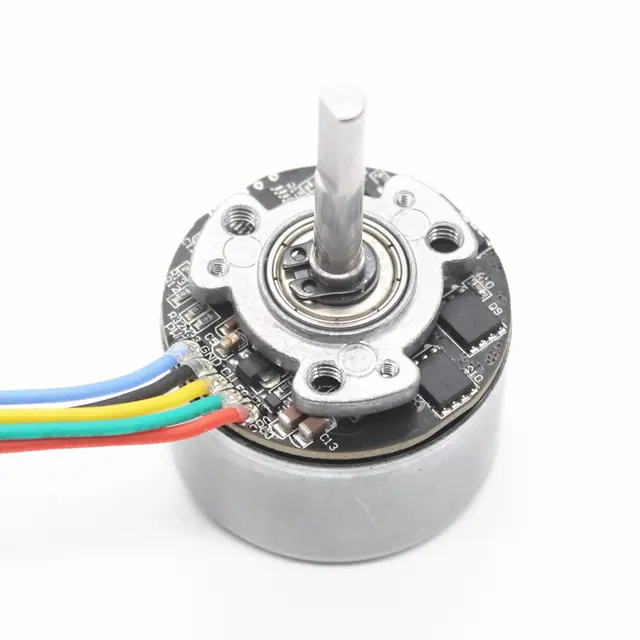
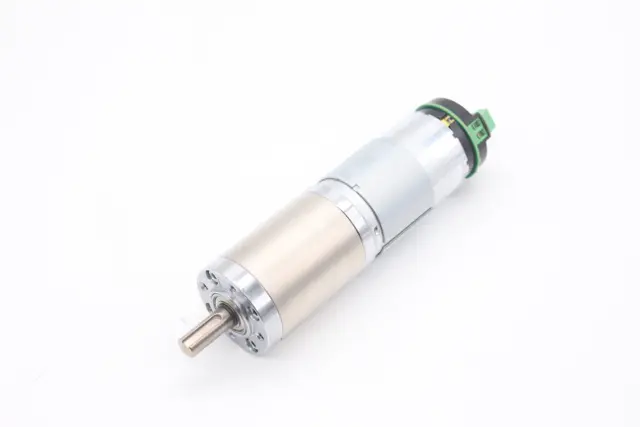
Motor series to compare for this kind of project.
Frequently Asked Questions
Does this update replace the need to size a motor for the linear axis?
No. A ball screw can change the relationship between motor torque, speed, thrust, and travel, so the motor, drive, coupling, bearing support, and controller profile still need to be checked together.
Which buyers are most likely to care about this news?
OEM engineers, maintenance teams, and sourcing groups working on positioning axes, gantries, fixtures, CNC equipment, packaging machinery, inspection machines, and robotics support systems may find it relevant.
What should buyers verify before substituting a ball screw assembly?
Check screw diameter, lead, length, nut type, end machining, load rating, accuracy class, lubrication, mounting supports, coupling fit, motor torque margin, and feedback requirements.
Source
This article summarizes publicly available source information. Confirm technical details, pricing and compliance requirements with the original source before making purchasing decisions.
Source date: 2026-07-31