
Quick Takeaways
- Design World reported on July 27 that cabinet-free discrete automation is extending older decentralized drive ideas into more rugged motor-drive installations.
- The article describes drives that can mount on or near the motor and use hybrid cabling for power, data and safety signals.
- For machine builders, the update points to selection checks around IP ratings, cable architecture, heat management and multi-axis expansion.
- Buyers should compare the cabinet-free approach with conventional control-cabinet layouts before changing a proven production cell.
Industry Update
Design World published a July 27 article by Lisa Eitel on cabinet-free discrete automation, with technical perspective from Joaquin Ocampo, a Bosch Rexroth product manager. The article frames cabinet-free drives as a newer version of distributed or decentralized drive architecture for manufacturing systems that rely on motors and drives as the core motion components.
The report says cabinet-free drives are power-supplying motion components that can mount on or next to the motor on the machine. It notes that some designs carry IP65/67 ratings for dust and water exposure, and that one or two hybrid cables may combine conductors for power, data and safety signals.
The article also connects the approach to space use, cabling reduction, cooling needs and modular machine expansion. It says some cabinet-free drive arrangements can include multiple axes on a single drive, including configurations up to two by 30 A, while also noting that a gradual trial on an isolated workcell may be a practical migration path.
Buyer Considerations
For motor buyers, the update is a reminder that drive placement is now part of the motor selection discussion. A motor, gearbox, brake, encoder and drive package may need to be reviewed together when the drive is mounted at the machine instead of inside a centralized enclosure.
Machine builders should confirm environmental ratings, connector formats, cable availability, safety-signal handling and service access before standardizing on cabinet-free equipment. Fewer cabinet connections can simplify installation, but field-mounted electronics also need appropriate protection from washdown, dust, vibration and temperature.
Sourcing teams should ask suppliers whether a cabinet-free drive package changes lead time, spare-part stocking, heat-management assumptions or commissioning support. For existing lines, a small workcell trial can help compare maintenance effort, cable routing and expansion flexibility without disrupting a full production area.
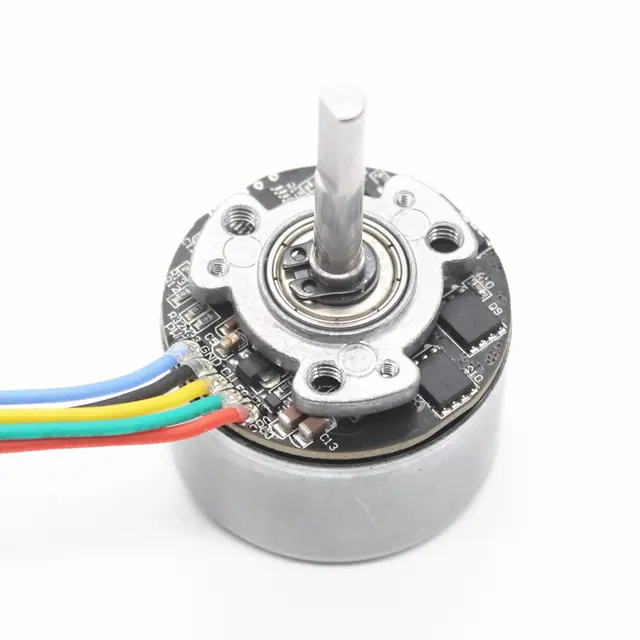
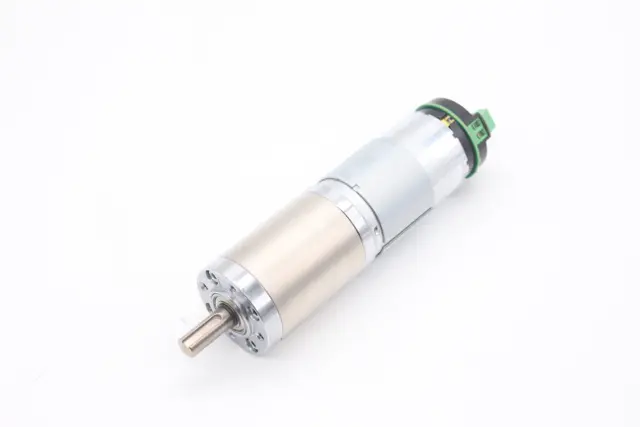
Motor series to compare for this kind of project.
Frequently Asked Questions
What are cabinet-free drives?
They are drive components designed to mount on or near the motor or machine, reducing reliance on a separate control cabinet for some motion-control functions.
Does this affect motor and gear motor buyers?
Yes. Buyers may need to evaluate the motor, gearbox, encoder, brake, drive, cable and environmental rating as one coordinated package instead of separate components.
Which applications could benefit from this approach?
Modular machines, compact production cells, conveyors, packaging equipment and factory automation systems may benefit when reduced cabling and flexible expansion are priorities.
What should buyers verify before changing architecture?
Confirm IP rating, cable length limits, safety integration, heat behavior, service access, spare-part strategy and supplier support for commissioning.
Source
This article summarizes publicly available source information. Confirm technical details, pricing and compliance requirements with the original source before making purchasing decisions.
Source date: 2026-07-28