
Quick Takeaways
- Cimcorp reports rising customer demand for cybersecurity in automated distribution centers where uptime is tied directly to business continuity.
- The company points to connected warehouse systems, remote access and software-driven automation as areas that need protection throughout the system lifecycle.
- Buyers of conveyors, robotic handling equipment, motor controls and automation drives should include cybersecurity evidence in supplier evaluations.
- Resilience planning should cover access control, segmentation, monitoring, software updates and recovery procedures before a new automation project is commissioned.
Industry Update
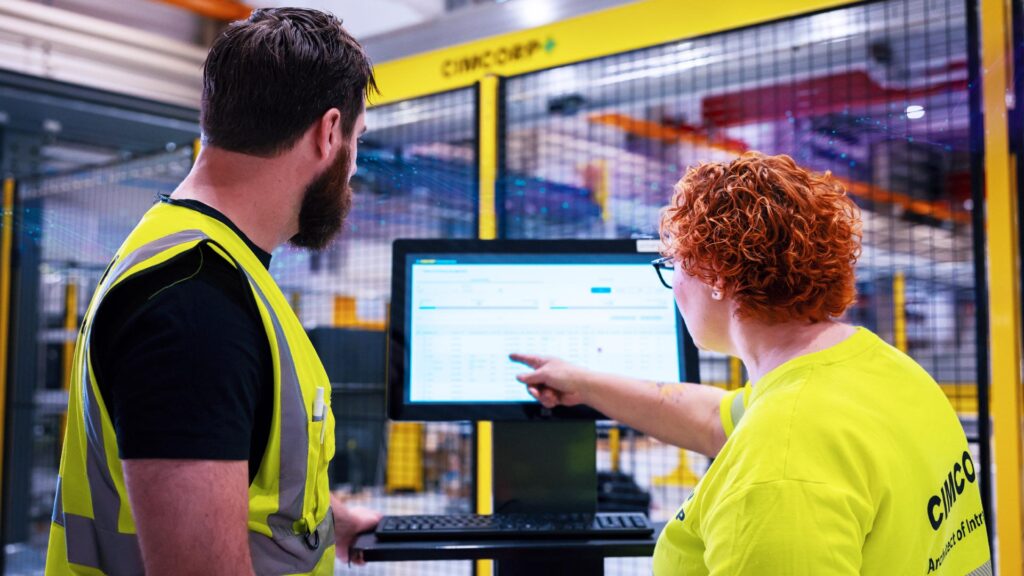
Cimcorp says business continuity is driving stronger cybersecurity expectations in distribution center automation. The company describes modern warehouse operations as highly connected environments where robots, conveyors, sensors, software platforms and enterprise systems exchange operational data.
The update notes that a cyber incident can interrupt material flow, stop automated handling equipment and create recovery work beyond the initial digital event. Cimcorp frames cybersecurity as part of automation system design and lifecycle management, rather than a one-time information technology task.
For facilities that rely on automated storage, picking, sorting or order fulfillment, the practical issue is not only protecting data. It is also keeping motion systems, controls, safety layers and supervisory software available when the facility is under pressure to ship products on time.
Buyer Considerations
Motor and automation buyers should treat cybersecurity as a specification topic when connected motion equipment is part of a distribution center project. Conveyor drives, servo axes, robotic cells, programmable controllers and remote support links can all become operational dependencies once the system is live.
During supplier evaluation, buyers can ask how the integrator separates automation networks, manages user access, documents software versions and handles patches without disrupting production. These checks are especially relevant when drives, controllers and warehouse software are supplied by different vendors.
Maintenance teams should also confirm how recovery procedures work after a controls or software interruption. Spare drives and motors are useful, but availability also depends on configuration files, controller backups, network settings and clear responsibility between the equipment supplier and site team.
Motor series to compare for this kind of project.
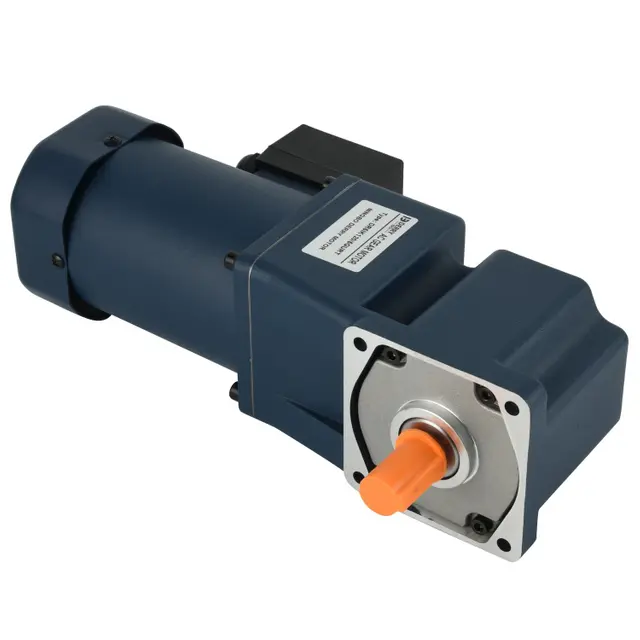 Universal AC Gear Motors
AC motors and gear motors include single-phase motors used with a single-phase AC power supply and three-phase motors...
View series
Universal AC Gear Motors
AC motors and gear motors include single-phase motors used with a single-phase AC power supply and three-phase motors...
View series
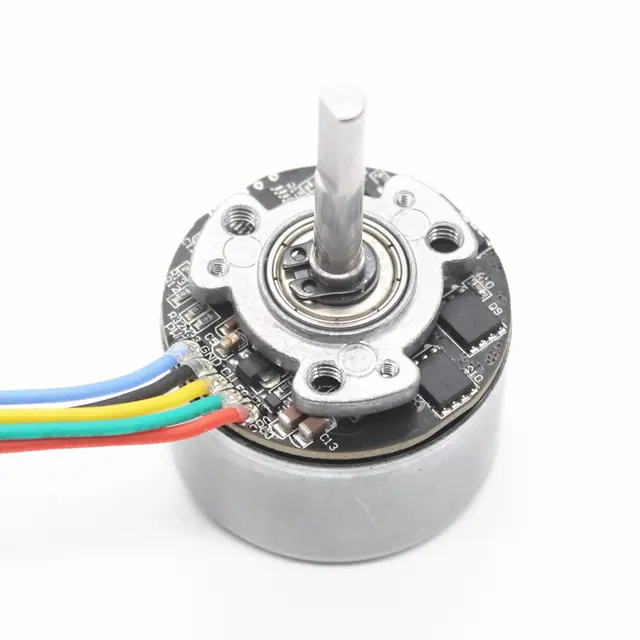 Brushless DC Motors
In internal rotor BLDC motors, the rotor with the permanent magnets rotates on a shaft inside a stationary stator with...
View series
Brushless DC Motors
In internal rotor BLDC motors, the rotor with the permanent magnets rotates on a shaft inside a stationary stator with...
View series
Frequently Asked Questions
Does this change motor selection directly?
The update does not change torque, speed or gearbox sizing rules, but it can affect how buyers evaluate connected drives, controllers, remote access and maintenance support for automated facilities.
Which applications are most affected?
Distribution centers with conveyors, automated storage systems, robotic picking, sorting equipment and connected supervisory software have more points where cybersecurity and motion reliability overlap.
What should buyers verify with suppliers?
Buyers should verify network segmentation, user access control, update procedures, backup and recovery plans, remote support policies and documentation for connected automation equipment.
Source
This article summarizes publicly available source information. Confirm technical details, pricing and compliance requirements with the original source before making purchasing decisions.
Source date: 2026-07-30