
Quick Takeaways
- DeepDrive announced on October 20, 2026 that it is expanding its electric-motor technology into robotics.
- The company says it has adapted its Dual Rotor, Radial Flux Motor for robotic actuator applications and developed initial samples.
- The architecture places a stator between inner and outer rotors, according to the company.
- Robotics OEMs should compare integration, duty-cycle, thermal and validation requirements against their existing actuator approach before changing a motor platform.
Industry Update
DeepDrive announced on October 20, 2026 that it is entering the robotics market with its Dual Rotor, Radial Flux Motor technology. The company says it has adapted the technology for robotic actuators and developed initial samples as it expands beyond automotive applications.
According to DeepDrive, the motor architecture encloses the stator between an inner rotor and an outer rotor. The company presents the layout as a way to increase active surface area for torque generation while addressing the performance, cost and weight requirements it sees in robotics.
The announcement does not provide product specifications, availability dates, actuator interfaces or qualified application data. It does, however, identify a supplier pursuing robotic-actuator use with a motor design that differs from conventional single-rotor arrangements.
Buyer Considerations
For robotics OEMs, a motor announcement becomes actionable only when the motor can be evaluated as part of a complete actuator or joint. Buyers should ask how the motor is packaged with gearing, feedback devices, brakes, bearings, thermal paths and drive electronics, rather than comparing motor claims in isolation.
Engineering teams considering a new architecture should request application-specific torque-speed curves, thermal data, control compatibility, lifecycle testing information and sample lead times. These details determine whether a motor can meet the required duty cycle, repeatability and service expectations in a specific robot axis.
Sourcing teams should also clarify manufacturing readiness, change-control practices and the route from samples to production. DeepDrive references its automotive development experience, but buyers should validate the applicable robotics configuration and supply commitments directly with the supplier.
Motor series to compare for this kind of project.
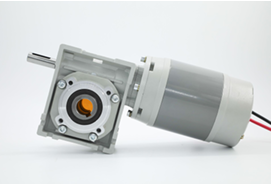 DC Worm Gear Motors
Easty’Worm Gear Motors are designed to generate high torque in a small package size. Worm Gear Motors are great for...
View series
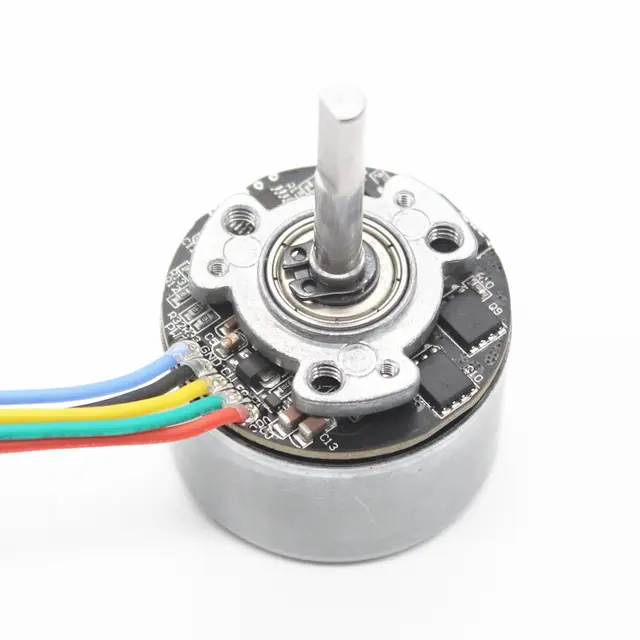 Brushless DC Motors
In internal rotor BLDC motors, the rotor with the permanent magnets rotates on a shaft inside a stationary stator with...
View series
Frequently Asked Questions
What did DeepDrive announce for robotics?
DeepDrive announced that it is expanding into robotics and has adapted its Dual Rotor, Radial Flux Motor technology for robotic actuator applications.
How is the motor architecture described?
DeepDrive says the design places a stator between an inner rotor and an outer rotor, increasing the active surface area used for torque generation.
Does the announcement include production specifications for robotics buyers?
No. The source describes adapted technology and initial samples but does not provide complete specifications, production availability or qualified application data.
What should a robotics OEM verify before evaluating the motor?
Verify actuator integration, torque-speed behavior, thermal performance, feedback and drive compatibility, validation evidence, sample timing and supply arrangements for the intended robot axis.
Source
This article summarizes publicly available source information. Confirm technical details, pricing and compliance requirements with the original source before making purchasing decisions.
Source date: 2026-10-24