
Quick Takeaways
- Epson Robots announced that it will show its AX6 collaborative 6-axis robot at The ASSEMBLY Show in Rosemont, Illinois, October 27-29, 2026.
- The company says the compact AX6 combines power- and force-limiting capabilities with no-code programming and flexible end-of-arm options.
- The exhibition program also includes SCARA and 6-axis robots with vision and parts-feeding demonstrations.
- Buyers evaluating collaborative assembly cells should assess the complete workcell, including payload, reach, tooling, safety and material presentation.
Industry Update
On October 21, Epson Robots announced its plans for The ASSEMBLY Show 2026, where it will demonstrate the AX6, its first collaborative robot, along with integrated robotics, vision and feeding systems. Epson describes the AX6 as a collaborative 6-axis robot with a lightweight, compact footprint and software intended to simplify programming and deployment.
According to the announcement, the AX6 supports applications where workspace, ease of use and redeployment are priorities through power- and force-limiting capabilities and flexible end-of-arm options. Epson will also demonstrate SafeSense technology for human-robot interaction, plus SCARA and 6-axis systems integrated with IntelliFlex feeding systems for automated part handling and assembly.
The show takes place in Rosemont, Illinois, from October 27 to 29. The announcement presents the equipment as demonstrations and does not provide application-specific cycle times, payload limits or safety validation details.
Buyer Considerations
For motor and automation buyers, the practical question is whether a collaborative 6-axis robot is a fit for the required motion path and throughput, rather than whether collaboration alone solves the cell design. Confirm reach, payload including tooling, inertia, orientation changes, cable routing and the required duty cycle with the supplier.
Safety design should be evaluated at workcell level. Ask how safeguarding, speed and separation monitoring, risk assessment, fixture design and recovery procedures affect the permitted operating mode. Sensor-based workspace detection can be part of that design, but it does not replace application-specific safety engineering.
Where variable parts arrive at the cell, review the robot together with vision, feeding and end-of-arm tooling. A complete demonstration can help reveal integration dependencies, yet buyers should request representative parts trials and documented performance for their own process before committing to a production layout.
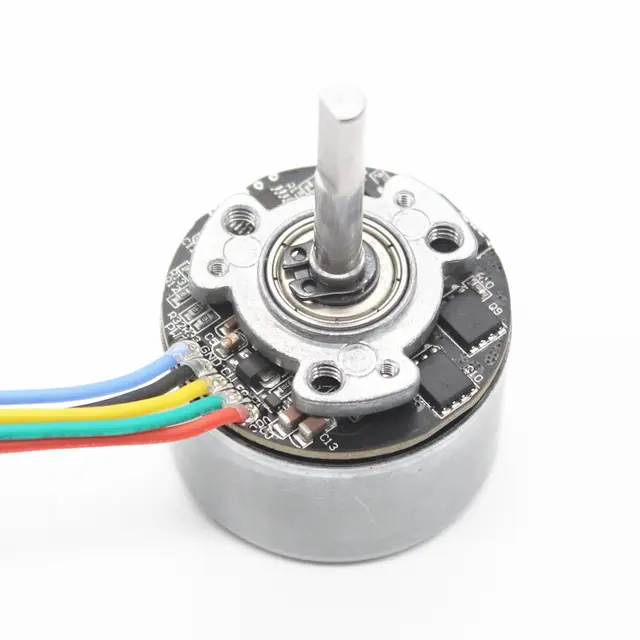
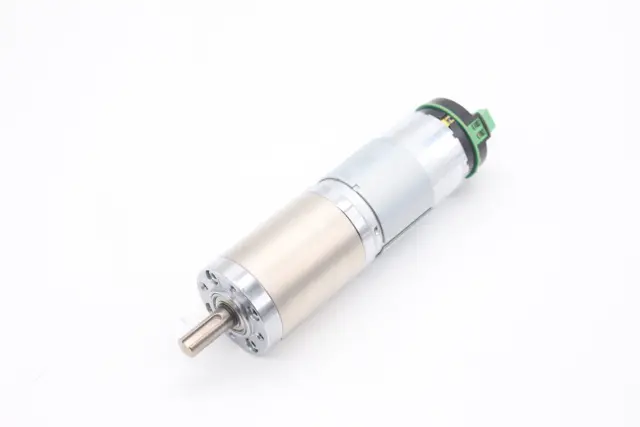
Motor series to compare for this kind of project.
Frequently Asked Questions
What did Epson announce for The ASSEMBLY Show 2026?
Epson said it will demonstrate its AX6 collaborative 6-axis robot, SafeSense technology, and integrated SCARA and 6-axis robot applications with vision and parts-feeding systems.
When and where is the event?
The ASSEMBLY Show 2026 is scheduled for October 27-29 in Rosemont, Illinois, according to Epson's announcement.
What should a buyer verify before selecting a collaborative robot?
Verify the complete application: payload, reach, inertia, end-of-arm tooling, required cycle time, material presentation, guarding, risk assessment and recovery requirements.
Does the announcement establish application performance for a production cell?
No. The source describes planned demonstrations. Buyers should obtain process-specific technical data and trial results from the supplier.
Source
This article summarizes publicly available source information. Confirm technical details, pricing and compliance requirements with the original source before making purchasing decisions.
Source date: 2026-10-23