
Quick Takeaways
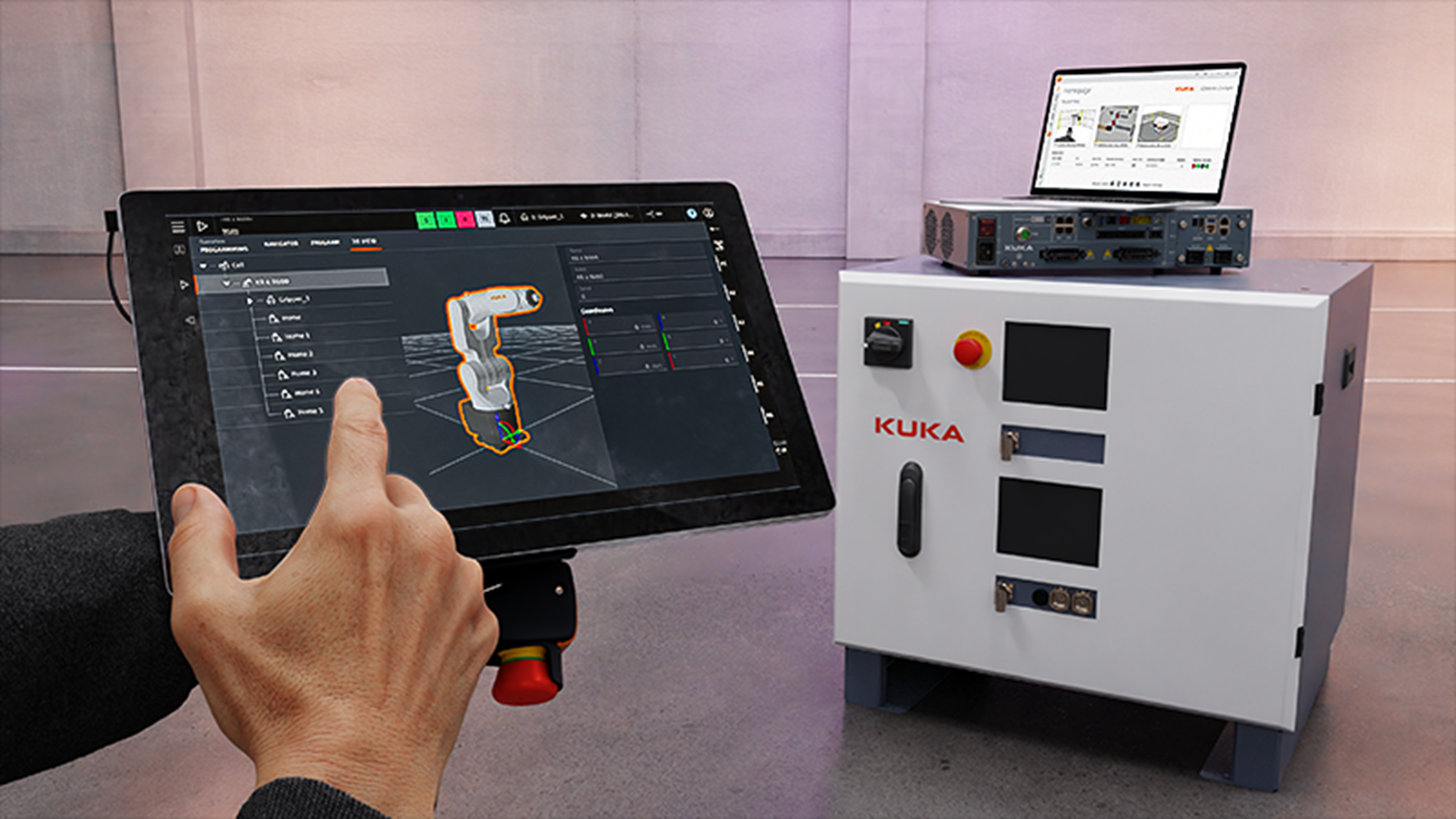
- KUKA announced on July 21, 2026 that its iiQKA.OS2 robot operating system and KR C5 controller platform have been certified to Security Level 2 according to IEC 62443-4-2.
- The company also says the robot systems meet EN ISO 10218-1:2025 and already address requirements of the EU machinery regulation for machinery and related products.
- The update is relevant for buyers comparing robot cells, controller platforms, digitally connected motion equipment and self-hosted production systems.
- Procurement teams should still confirm the exact controller version, safety functions, integration scope and documentation that apply to their application.
Industry Update
KUKA has announced that its iiQKA.OS2 robot operating system and KR C5 controller platform have reached Product Security Level 2 under IEC 62443-4-2. The company frames the certification around the growing security requirements of networked production systems, where robot controllers, engineering workstations and factory communication interfaces are increasingly connected.
According to KUKA, the certified robot system also meets EN ISO 10218-1:2025 and already addresses requirements of the EU machinery regulation for machinery and related products. The company points to safety functions such as Normal Stop, Restart Interlock and monitoring of all axes as part of the system foundation for industrial robot applications.
KUKA also links the update to iiQWorks, its engineering platform for configuration, simulation and offline programming. That connection matters because robot selection is no longer only a question of payload, reach and cycle time; buyers increasingly evaluate the controller, engineering software, commissioning workflow and security model as one package.
Buyer Considerations
For industrial buyers, the main takeaway is that robot controller security should become a formal part of the sourcing checklist. A robot cell may include servo axes, motor drives, safety circuits, network modules and offline programming tools, so the controller platform can affect both commissioning risk and long-term maintenance.
Buyers comparing automation platforms should ask suppliers which IEC 62443 scope applies, which controller versions are covered and whether the security functions remain available in the intended plant network setup. The same question is useful when a robot is paired with conveyors, rotary tables, auxiliary servo axes, vision systems or other motion equipment.
The announcement does not replace application-level validation. Engineers still need to confirm payload, inertia, gearbox sizing, duty cycle, braking, encoder feedback, safety category, network protocol and documentation for the complete machine. It does, however, give teams a clearer standard-based signal to include in supplier evaluation.
Motor series to compare for this kind of project.
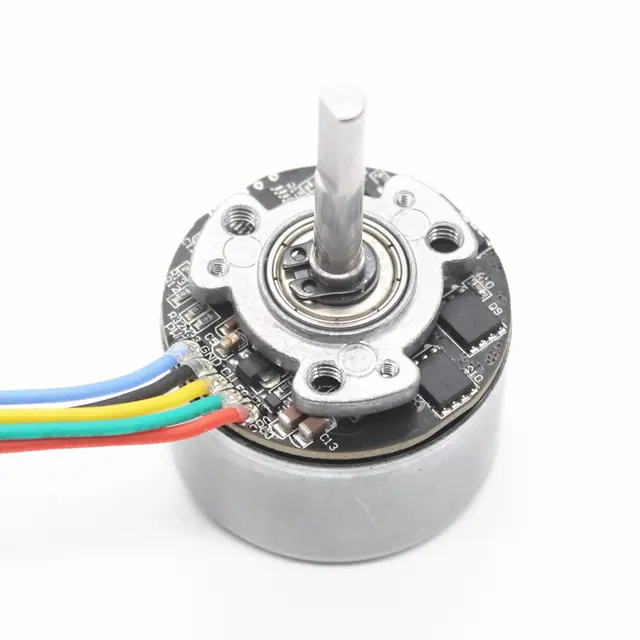 Brushless DC Motors
In internal rotor BLDC motors, the rotor with the permanent magnets rotates on a shaft inside a stationary stator with...
View series
Brushless DC Motors
In internal rotor BLDC motors, the rotor with the permanent magnets rotates on a shaft inside a stationary stator with...
View series
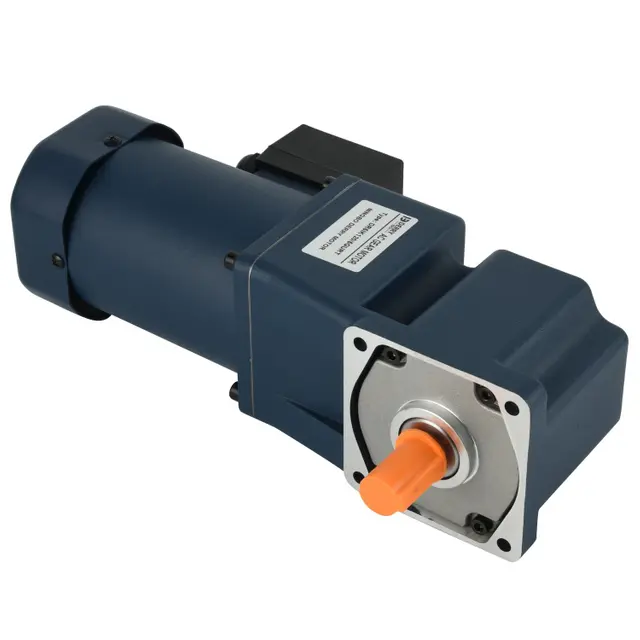 Universal AC Gear Motors
AC motors and gear motors include single-phase motors used with a single-phase AC power supply and three-phase motors...
View series
Universal AC Gear Motors
AC motors and gear motors include single-phase motors used with a single-phase AC power supply and three-phase motors...
View series
Frequently Asked Questions
Does this update affect motor and drive buyers?
Yes, mainly when motors, drives and auxiliary axes are part of a robot cell or connected production line. Controller security and engineering software can influence integration requirements, documentation needs and maintenance planning.
Does Security Level 2 prove that every robot installation is secure?
No. KUKA describes certification for its iiQKA.OS2 robot system and KR C5 controller platform. Each installation still needs project-specific checks for network design, access control, safety functions and connected equipment.
What should buyers verify before specifying a robot controller?
Buyers should confirm the covered controller model, software version, safety functions, network interfaces, available documentation and how the platform connects with drives, sensors, actuators and plant systems.
Source
This article summarizes publicly available source information. Confirm technical details, pricing and compliance requirements with the original source before making purchasing decisions.
Source date: 2026-07-27