

Quick Takeaways
- Lincoln Electric announced XpertLINC on October 20, 2026 as a physical AI-enabled platform for robotic welding.
- The company says the platform combines sensing, coordinated robot motion and welding-process control.
- XpertLINC is set to launch first on Cooper welding cobots, with planned expansion to other Lincoln Electric automated cutting and welding solutions.
- Buyers evaluating adaptive welding cells can use the announcement to focus supplier discussions on sensing, motion integration, part variation and process validation.
Industry Update
Lincoln Electric announced XpertLINC, a platform intended for automated welding applications where part fit-up and joint shape can vary. According to the company, the system combines vision, coordinated motion, process control and welding-process knowledge to control a robot and adjust its path and welding parameters to the conditions of a workpiece.
The company said XpertLINC will initially be available on its Cooper welding cobots. Its stated workflow begins with an operator indicating start and end points; the system then scans the part, captures joint shape and evaluates fit-up conditions before establishing robot motion and welding parameters. Lincoln Electric also said it plans to expand the platform across its automated cutting and welding portfolio over time.
For a motion-control buyer, the notable element is the coupling of sensing and welding-process decisions with coordinated robot motion. The announcement does not provide motor, drive, encoder or cycle-time specifications, so these details remain application-specific and should be confirmed during technical evaluation.
Buyer Considerations
Teams sourcing robotic welding cells should distinguish an adaptive-control claim from a complete cell specification. Ask how the vision system measures joint shape, how robot trajectories are generated, which axes and drives are used, and how the system handles workholding variation, reflective materials and out-of-tolerance parts.
Also request a representative demonstration using the intended parts, consumables and welding procedures. Review how the cell records process parameters, signals exceptions and integrates with safety equipment and upstream material handling. These checks help determine whether a coordinated-motion platform fits the required throughput, quality controls and maintenance plan.
For retrofit projects, confirm the supported cobot models, controller interfaces, fieldbus connections and commissioning responsibilities. Buyers should also clarify the commercial availability schedule and service coverage with Lincoln Electric or an authorized integrator.
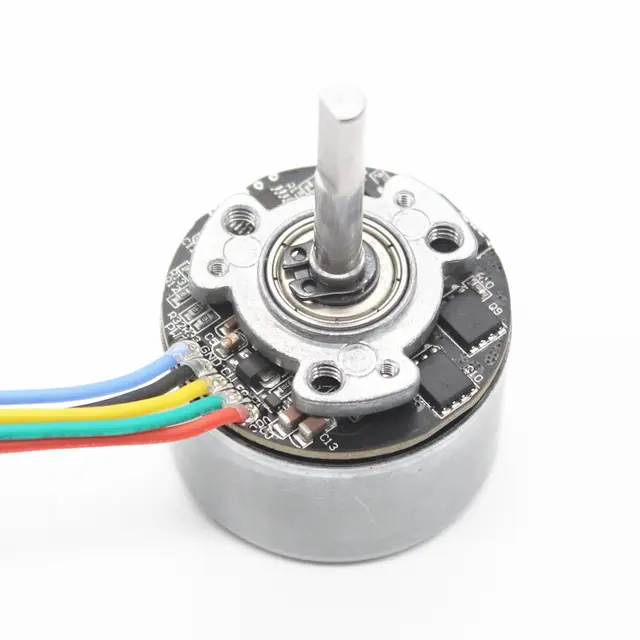
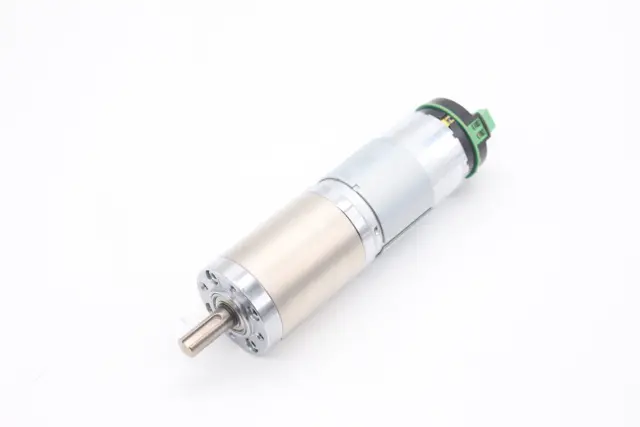
Motor series to compare for this kind of project.
Frequently Asked Questions
What did Lincoln Electric announce?
Lincoln Electric announced XpertLINC, a physical AI-enabled robotic-welding platform that it says combines sensing, coordinated motion and welding-process control.
Which equipment will use XpertLINC first?
Lincoln Electric said the platform will initially launch on its Cooper welding cobots.
Why is coordinated motion relevant to robotic welding?
Coordinated motion connects the robot path with process decisions so the cell can execute welding movement based on the measured workpiece conditions. Actual results depend on the application and should be validated with representative parts.
What should buyers verify before selecting an adaptive welding cell?
Buyers should verify supported hardware, sensing performance, controller and safety integration, part-variation limits, weld-procedure compatibility, service support and the results of an application-specific trial.
Source
This article summarizes publicly available source information. Confirm technical details, pricing and compliance requirements with the original source before making purchasing decisions.
Source date: 2026-10-22