

Quick Takeaways
- Motion Control Tips reported on September 11, 2026 that maxon MIND is expected to support condition monitoring for machines using maxon motors, gearboxes, encoders and controllers.
- The service is described as using existing motor signals and application context to compare a drive system with its reference state.
- maxon MIND is expected to be released to industry in 2027, after consultation, prototyping, system testing and validation for each application.
- The update is relevant to buyers of AGVs, medical equipment, laboratory automation and industrial machines where drive-system uptime is important.
Industry Update
Motion Control Tips reports that maxon MIND is a condition-monitoring service designed to read signals already available from a motor and its related drive system. The reported setup connects a maxon motor, gearbox, encoder and controller to a software package that triggers diagnostic cycles, records signals and sends condensed data to a cloud-based platform for analysis.
The article says the service compares collected data with an application-specific reference state, then flags deviations and anomalies. Results can be accessed through an application programming interface so machine builders can connect the information with plant dashboards, fleet-management systems or other user interfaces.
According to the source, maxon MIND is expected to be released to industry in 2027. Machine builders would first consult with maxon about load profiles, usage cycles and operating conditions, then use prototyping, testing and validation before final implementation.
Buyer Considerations
For motor buyers, the update points to a broader selection question: the motor and gearbox may no longer be judged only by torque, speed, envelope size and duty cycle. In machines where stoppage is expensive or safety-sensitive, the ability to support repeatable diagnostic cycles, stable controller access and traceable maintenance information can become part of the buying checklist.
OEMs evaluating compact drive systems should confirm whether their controller architecture can expose the signals needed for condition monitoring. They should also check whether the machine has repeatable operating cycles, because the source indicates that comparable load conditions are important for reliable diagnosis.
Maintenance teams may want to compare this type of service with traditional sensor-based monitoring. Motor-signal analysis can reduce additional hardware in some applications, but buyers still need application testing, acceptance criteria and a clear process for acting on alerts before treating the data as a maintenance trigger.
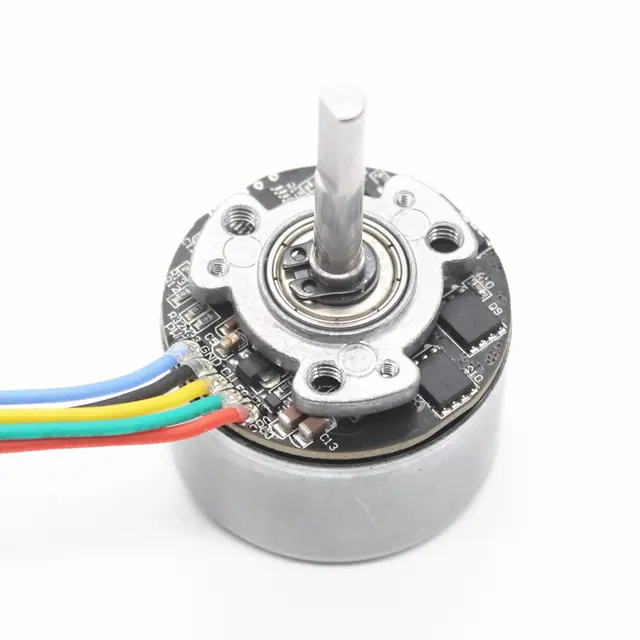
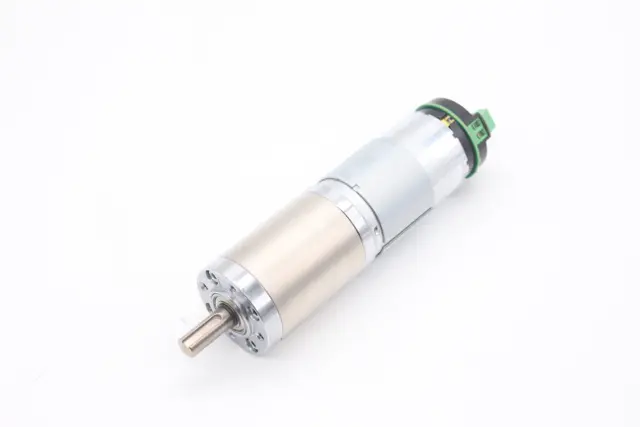
Motor series to compare for this kind of project.
Frequently Asked Questions
What changed for machine builders?
A recent Motion Control Tips report describes maxon MIND as a service that uses existing motor and drive-system data to support condition monitoring and diagnostics for selected machine applications.
Does this replace normal motor specification work?
No. Buyers still need to specify torque, speed, gearbox ratio, encoder feedback, controller compatibility, duty cycle and environment. The new angle is whether the drive system can also support validated monitoring over time.
Which applications could benefit first?
The source points to critical applications such as medical devices, industrial and laboratory automation, logistics systems and AGV fleets, especially where unexpected drive-system failure would affect availability or user safety.
What should buyers verify before adopting this approach?
Buyers should verify controller access, repeatable diagnostic cycles, load-profile consistency, data handling, service availability and the validation steps needed for their specific machine.
Source
This article summarizes publicly available source information. Confirm technical details, pricing and compliance requirements with the original source before making purchasing decisions.
Source date: 2026-09-12