
Quick Takeaways
- maxon says it will present UAV propulsion and aerospace drive systems at FIA 2026.
- The company describes UAV propulsion as a package that combines BLDC motors, electronic speed controllers and propellers from one supplier.
- The same update points to customized drive systems that may include gearheads, feedback devices, sensors, brakes and controllers.
- Buyers evaluating aerospace or robotic motion platforms should compare motor, controller, feedback and mechanical integration requirements early.
Industry Update
maxon announced that it will present UAV propulsion and aerospace drive systems at FIA 2026. The company says its UAV propulsion system combines BLDC motors, electronic speed controllers and propellers from one supplier, positioning the package for unmanned aerial vehicle applications where motor and control matching are closely linked.
The source also describes customized drive systems for aerospace use. Listed components include motors, electronic speed controllers, gearheads, feedback devices, sensors, brakes and controllers. That component mix makes the update relevant beyond drones, because many motion projects depend on the same interaction between motor sizing, speed control, feedback and mechanical transmission.
For purchasing teams, the important point is not only the presence of a motor product, but the way propulsion and motion-control elements are presented as a system. A supplier that can discuss the motor, controller, feedback path and mechanical interface together may reduce integration questions during early design review.
Buyer Considerations
Buyers comparing BLDC motors for UAVs, robotics or aerospace equipment should verify whether the motor and electronic speed controller have been selected as a matched pair. Thermal limits, voltage range, speed command behavior, propeller load and available feedback options can all affect the final drive selection.
For applications that also need gearheads, encoders, brakes or compact controllers, the source highlights a useful sourcing question: can the supplier support the full motion chain, or will the buyer need to qualify separate vendors for motor, control and mechanical components?
Engineering teams should still confirm project-specific requirements directly, including operating environment, duty cycle, mounting constraints, communication interface, documentation, service support and any application-level compliance needs. The announcement does not replace a detailed technical review for a specific UAV, aerospace or automation project.
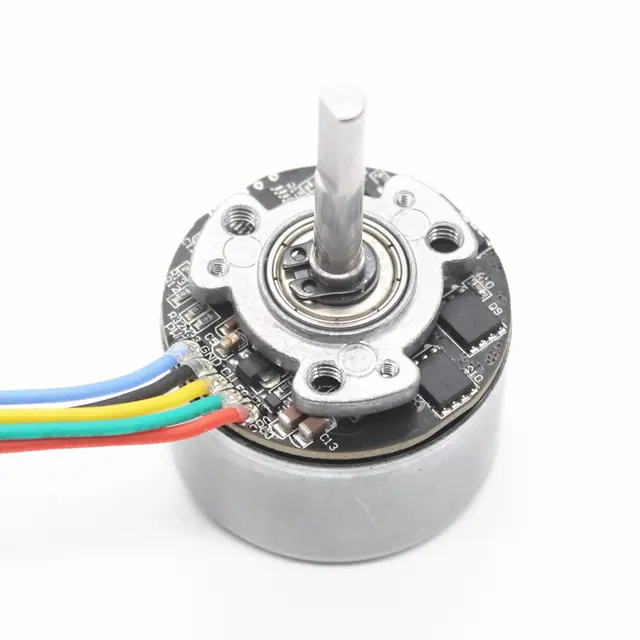
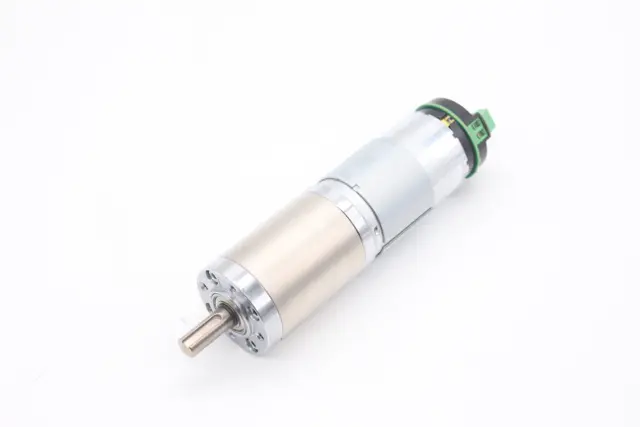
Motor series to compare for this kind of project.
Frequently Asked Questions
What did maxon announce?
maxon announced that it will present UAV propulsion and aerospace drive systems at FIA 2026, including a UAV propulsion package built around BLDC motors, electronic speed controllers and propellers.
Why is this relevant to motor buyers?
It shows how aerospace and UAV motor sourcing often depends on matched drive packages, not only standalone motor selection. Buyers may need to evaluate the motor, controller, feedback device and mechanical interface together.
Which applications could be affected?
The source focuses on UAV propulsion and aerospace drive systems. The same selection issues may also matter for robotics, compact automation equipment and other motion platforms that require coordinated motor and control design.
What should buyers verify before choosing a similar drive system?
Buyers should verify load profile, voltage, thermal margin, controller compatibility, feedback requirements, gearhead or brake needs, mounting constraints and support documentation for the target application.
Source
This article summarizes publicly available source information. Confirm technical details, pricing and compliance requirements with the original source before making purchasing decisions.
Source date: 2026-06-29