

Quick Takeaways
- Miller's Copilot Builder with Blue iQ uses Novarc's physical-AI technology to help robotic welding adapt to real-world fabrication conditions.
- The system is being presented for welding jobs with variable fit-up, gaps, tolerances and directional movement that can be difficult for fixed automation routines.
- Buyers evaluating welding cells should check the complete motion chain, including robot mechanics, servo drives, sensors, control software, fixturing and data capture.
- The update is relevant beyond welding because adaptive automation can change how OEMs specify motors, drives and controls for variable industrial tasks.
Industry Update
Drives & Controls reported that Miller Electric and Novarc Technologies are bringing adaptive automation to welding through Miller's Copilot Builder with Blue iQ. The system applies Novarc's physical-AI approach to help robotic welding equipment respond to practical fabrication variation instead of relying only on fixed, repeatable paths.
The reported use cases include welding jobs affected by fit-up variation, gaps, tolerances and changing movement direction. Those conditions are common barriers for factories trying to automate work that still depends on skilled manual adjustment.
For automation teams, the important signal is not only the welding process itself. It is the combination of sensing, control logic, robot movement and weld intelligence inside a production tool. As adaptive features move into more industrial equipment, the mechanical and electrical motion components around those systems need to support consistent response, clean integration and maintainable service access.
Buyer Considerations
Motor, gear motor and drive buyers should treat adaptive welding systems as complete motion-control packages. A purchasing review should confirm motor and servo sizing, axis duty cycles, encoder feedback, braking needs, cable routing, controller interfaces and the operating environment around heat, spatter and vibration.
The update also raises integration questions for OEMs and fabricators. Buyers should ask how the system handles part variation, what sensors are required, which parameters can be adjusted by operators and how welding data is stored for process review. Those answers can affect controller selection, panel layout, maintenance planning and spare-parts strategy.
For suppliers, adaptive automation may increase demand for motion components that are easier to commission, diagnose and replace. Consistent torque delivery, stable feedback signals and clear compatibility with industrial controllers become more important when the process is expected to react in real time.
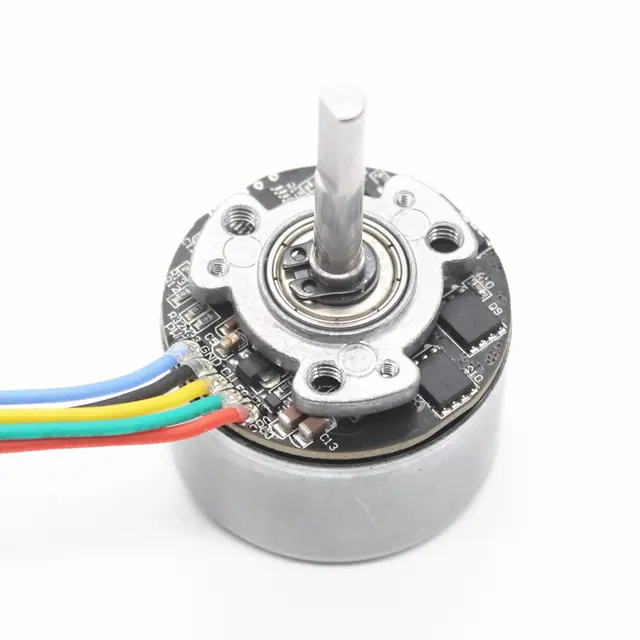
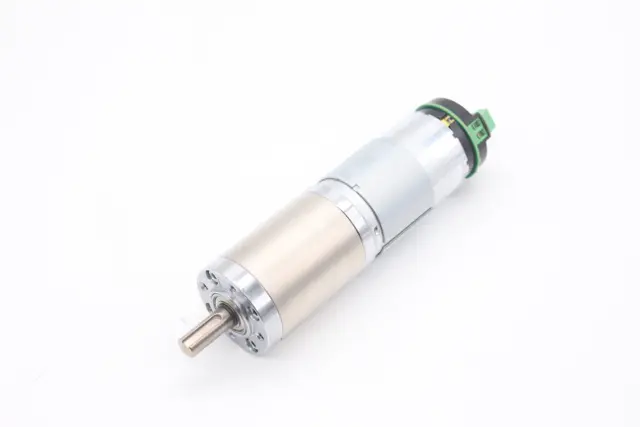
Motor series to compare for this kind of project.
Frequently Asked Questions
What changed in this welding automation update?
Miller's Copilot Builder with Blue iQ is being positioned with Novarc physical-AI technology so robotic welding can adapt to practical fabrication variation such as gaps, tolerances and changing movement paths.
Does this affect motor and drive buyers?
Yes. Robotic welding cells depend on motors, servo drives, reducers, encoders, sensors and controllers. Adaptive welding makes buyers check the whole motion chain instead of selecting a motor or drive in isolation.
Which applications should watch this trend?
Fabrication shops, machinery OEMs, robotic-cell builders and maintenance teams that handle variable workpieces should watch adaptive welding automation because it can change fixture design, controls integration and service requirements.
What should buyers verify before choosing similar equipment?
Buyers should verify axis loads, duty cycles, feedback devices, controller interfaces, safety functions, environmental protection and supplier support for commissioning and troubleshooting.
Source
This article summarizes publicly available source information. Confirm technical details, pricing and compliance requirements with the original source before making purchasing decisions.
Source date: 2026-09-02