
Quick Takeaways
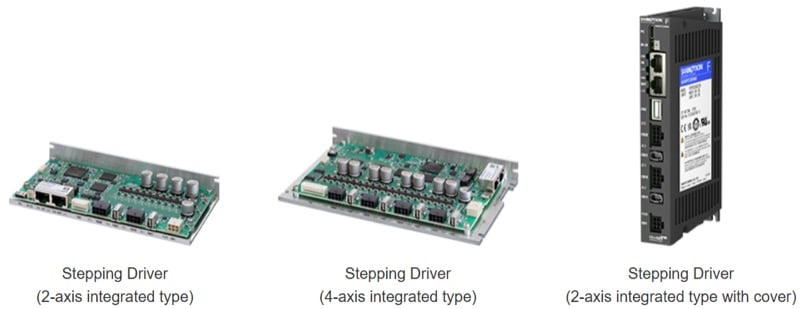
- Sanyo Denki has expanded its SANMOTION F lineup with two-axis and four-axis integrated stepping drivers using EtherCAT communication.
- The new driver models are aimed at equipment with multiple positioning axes, including semiconductor systems, conveyor robots, component mounting machines and medical equipment.
- Buyers comparing separate single-axis drivers with integrated multi-axis hardware should review panel space, spare-parts strategy, motor compatibility and diagnostic access together.
Industry Update
Control.com reported on October 3, 2026, that Sanyo Denki has added the F5PFD280E200 two-axis driver and the F5PFD280E400 four-axis driver to its SANMOTION F stepping driver lineup. Both models combine EtherCAT communication with multi-axis control for machines that need coordinated positioning across several motors.
The report says the integrated format reduces volume per axis by more than 30 percent and mass per axis by more than 20 percent compared with separate single-axis drivers. When paired with compatible Sanyo Denki stepping motors, the drivers are reported to deliver up to 17 percent more torque and 20 percent lower vibration than the previous SANMOTION F5 configuration.
Both models operate from 24 VDC for main and control circuits. The two-axis driver measures 160 x 79 x 22 mm and weighs 0.2 kg, while the four-axis driver measures 180 x 108 x 22 mm and weighs 0.36 kg. The drivers support five-phase stepping motors in 28 mm, 42 mm and 60 mm frames, as well as two-phase motors in 28 mm, 35 mm, 42 mm, 56 mm and 60 mm frames.
The update also includes synchronized motion, S-curve acceleration and deceleration, data logging and motor operation analysis functions. Those features can matter during commissioning, troubleshooting and motion tuning when a machine uses several coordinated axes.
Buyer Considerations
For equipment builders, the main sourcing question is not only whether a multi-axis driver saves panel space. Buyers should also compare the cost and service impact of replacing one shared driver against stocking several single-axis units, especially for machines that must be repaired quickly on a production floor.
The mixed two-phase and five-phase motor support may help builders reduce driver variety when a machine uses different motor sizes across axes. Before switching a design, engineering teams should confirm motor frame size, rated current, EtherCAT integration, power-supply sizing and the required tuning workflow for each axis.
The reported torque and vibration improvements are tied to compatible Sanyo Denki motor combinations and a comparison with the previous SANMOTION F5 setup. Buyers should treat those figures as vendor-specific performance references and verify actual results under their own load, speed and duty-cycle conditions.
Motor series to compare for this kind of project.
 Brushless DC Motors
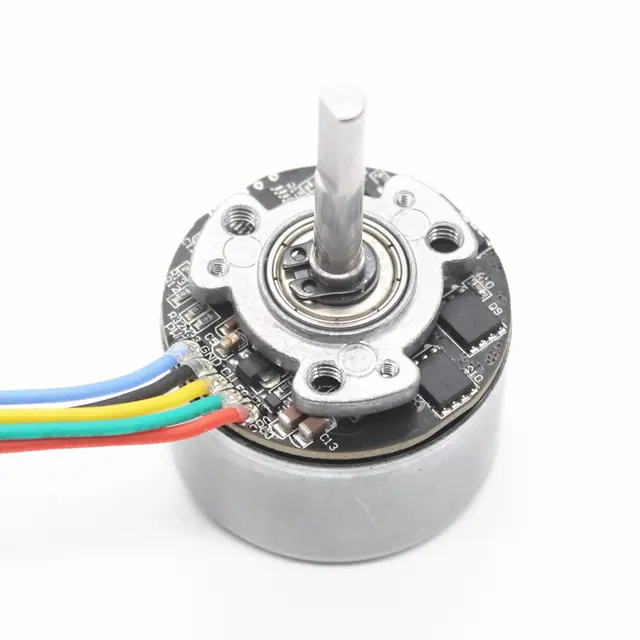
In internal rotor BLDC motors, the rotor with the permanent magnets rotates on a shaft inside a stationary stator with...
View series
Brushless DC Motors
In internal rotor BLDC motors, the rotor with the permanent magnets rotates on a shaft inside a stationary stator with...
View series
 Universal AC Gear Motors
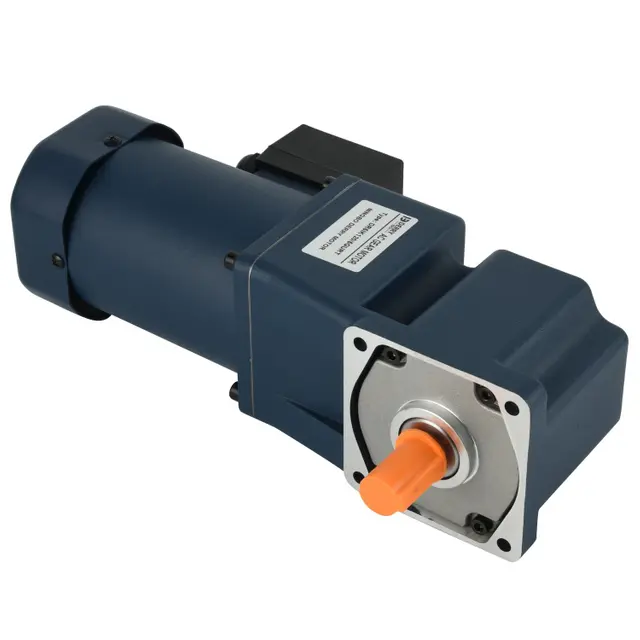
AC motors and gear motors include single-phase motors used with a single-phase AC power supply and three-phase motors...
View series
Universal AC Gear Motors
AC motors and gear motors include single-phase motors used with a single-phase AC power supply and three-phase motors...
View series
Frequently Asked Questions
What changed in Sanyo Denki's SANMOTION F lineup?
The company added two-axis and four-axis integrated stepping drivers that combine EtherCAT communication with multi-axis motion control.
Which machines could use these drivers?
The source report lists semiconductor equipment, conveyor robots, electronic component mounting machines and medical equipment as target applications.
What should buyers check before selecting a multi-axis driver?
Buyers should confirm motor phase type, frame size, current rating, EtherCAT compatibility, cabinet layout, spare-parts strategy and commissioning tools.
Are the torque and vibration figures universal?
No. They are reported for compatible Sanyo Denki motor combinations against a previous SANMOTION F5 configuration, so buyers should verify performance in their own machine conditions.
Source
This article summarizes publicly available source information. Confirm technical details, pricing and compliance requirements with the original source before making purchasing decisions.
Source date: 2026-10-07