

Quick Takeaways
- CED guidance reported by MarketScale says spring-set holding brakes are suited to servo axes that could move under gravity or spring tension when power is removed.
- The article highlights cranes, elevators, gantries and robot arm joints as examples where a stopped load may need mechanical holding support.
- Buyers should confirm brake torque rating, axis orientation, stored-energy conditions and whether the brake is included before ordering a servo motor.
- A holding brake is described as a holding device for a stopped axis, not a normal deceleration brake.
Industry Update
MarketScale published a September 30, 2026 article summarizing CED guidance from Nicholas Rodacz on servo motor holding brakes. The article explains that a spring-set holding brake clamps the motor shaft when voltage is absent and releases when voltage is applied.
The buyer-relevant point is the stored-energy test. If an axis could move when motor torque disappears, such as a lift axis, gantry, crane, elevator mechanism, spring-loaded mechanism or robot joint, the motor order may need a brake specified from the start.
The source also distinguishes holding brakes from service brakes. In the article, the brake is presented as a device for holding a stopped axis in place, while the drive handles normal motion and deceleration. That distinction matters when buyers compare servo motors, drives and accessories for machinery that carries suspended or spring-loaded loads.
Buyer Considerations
For sourcing teams, the first check is whether the application stores energy. A horizontal conveyor axis may not need the same brake decision as a vertical lift, a suspended tool head or a robot arm that can move under gravity. The motor supplier should confirm whether the brake option is available for the selected frame size and whether the brake torque rating covers the holding load.
Engineering teams should also verify how the brake is wired, released and monitored in the full machine design. A brake can help hold an axis when power is absent, but it does not replace proper motor sizing, drive tuning, risk assessment or machine-level safety design.
The procurement risk is ordering a servo motor without the option and discovering the need after installation. If a holding brake is integral to the motor package, changing the decision later can affect lead time, commissioning work and service planning.
Motor series to compare for this kind of project.
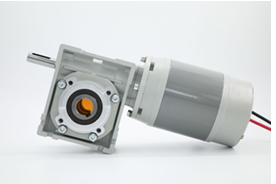 DC Worm Gear Motors
Easty’Worm Gear Motors are designed to generate high torque in a small package size. Worm Gear Motors are great for...
View series
DC Worm Gear Motors
Easty’Worm Gear Motors are designed to generate high torque in a small package size. Worm Gear Motors are great for...
View series
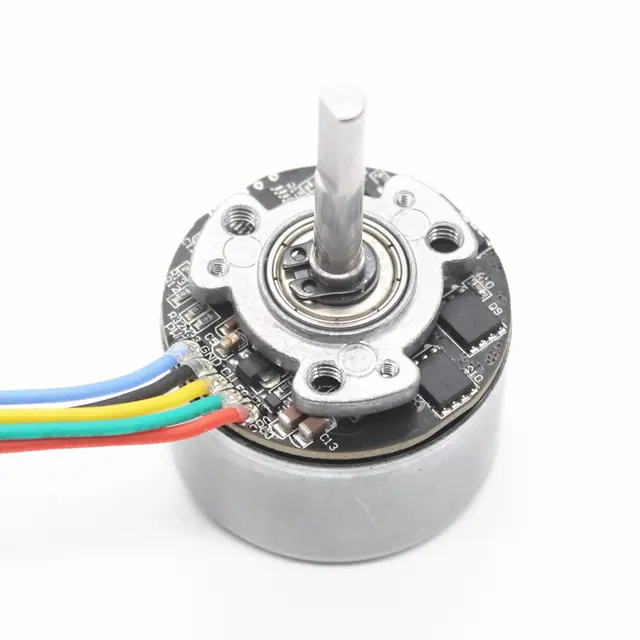 Brushless DC Motors
In internal rotor BLDC motors, the rotor with the permanent magnets rotates on a shaft inside a stationary stator with...
View series
Brushless DC Motors
In internal rotor BLDC motors, the rotor with the permanent magnets rotates on a shaft inside a stationary stator with...
View series
Frequently Asked Questions
What changed for servo motor buyers?
MarketScale reported CED guidance that puts the holding brake decision early in the servo motor specification process, especially for axes that store energy.
Which applications should buyers review first?
Buyers should review vertical lifts, cranes, elevators, gantries, robot joints and any spring-loaded axis that could move when motor torque is lost.
Is a holding brake the same as a normal braking system?
No. The source describes a holding brake as a device that holds a stopped axis, while the drive and control system handle normal motion and stopping behavior.
What should be confirmed with the supplier?
Confirm brake availability, holding torque rating, release voltage, wiring requirements, lead time and whether the selected servo motor includes the brake option.
Source
This article summarizes publicly available source information. Confirm technical details, pricing and compliance requirements with the original source before making purchasing decisions.
Source date: 2026-10-01