

Quick Takeaways
- Drives & Controls reported on August 3, 2026 that silicon-carbide devices are moving into selected low-voltage AC drive designs.
- The article says SiC can support higher switching frequencies, greater power density and improved system-level efficiency compared with conventional silicon approaches.
- Established AC drive suppliers are still cautious, while newer or regional suppliers are using hybrid or full-SiC designs for narrower application needs.
- Buyers should evaluate SiC drives around the full motor-and-drive system, including thermal design, harmonics, reliability history and cost.
Industry Update
Drives & Controls has reported that silicon-carbide power semiconductor devices are starting to appear in low-voltage AC drive designs, while conventional silicon IGBTs continue to dominate mainstream industrial drive applications. The article, published on August 3, 2026, frames SiC as a technology that expands the design envelope rather than a near-term replacement for established drive architectures.
The report describes two main engineering paths. Hybrid SiC designs keep IGBTs as the primary switching devices while replacing silicon diodes with SiC diodes, aiming for a balance of efficiency, power density and cost. Full-SiC drives use silicon-carbide devices for both switching elements and diodes, which can further reduce losses and raise power density, but with a higher cost position.
The article cites Inovance Technology as an example of a hybrid-SiC approach for high-speed applications and SmartD Technologies as an example of a full-SiC approach for power-quality-sensitive uses such as data centers and water treatment. It also notes that major suppliers including ABB and Siemens remain measured in their adoption of SiC for commercial low-voltage AC drive lines.
For motor selection, the important point is application fit. SiC may be most relevant where compact cabinets, high carrier frequencies, lower harmonic distortion, power quality or thermal limits are major design constraints. For many standard conveyors, pumps, fans and general machinery axes, established IGBT-based drives may remain the practical baseline until cost, reliability data and supply maturity shift further.
Buyer Considerations
Motor buyers should not evaluate a SiC drive only by semiconductor type. The drive should be checked as part of a complete motion or process-control system, including motor insulation, cable length, switching frequency, bearing protection, enclosure cooling, harmonic performance and service support. Higher power density can be useful, but only if it improves the real equipment layout or operating profile.
Sourcing teams comparing SiC, hybrid SiC and conventional VFD options should ask suppliers which applications the design is actually intended for. High-speed spindles, compact packaged equipment, water systems, data-center infrastructure and other power-quality-sensitive installations may justify deeper review. Commodity duty cycles may still favor familiar IGBT-based platforms with broad availability and long field history.
The update also gives machine builders a technology-roadmap signal. If future projects need smaller drive panels, improved thermal margins or cleaner motor current, it may be worth tracking SiC drive availability now, even if the immediate purchase remains conventional. Buyers should request application notes, derating guidance and compatibility limits before specifying a new drive architecture.
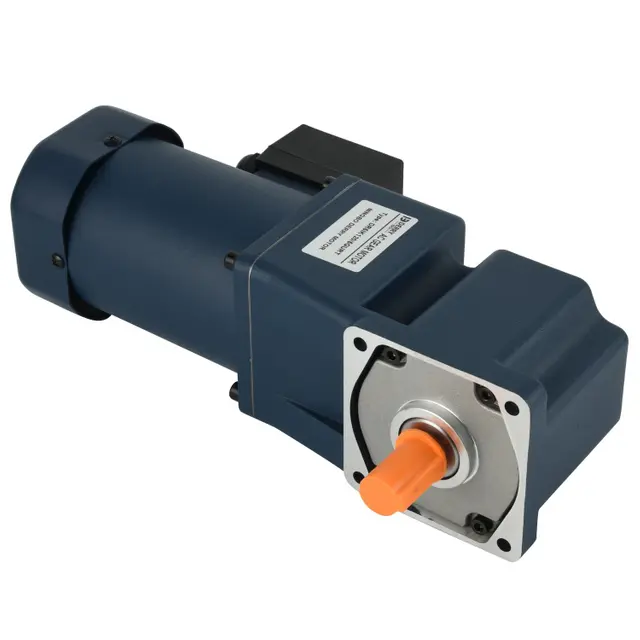
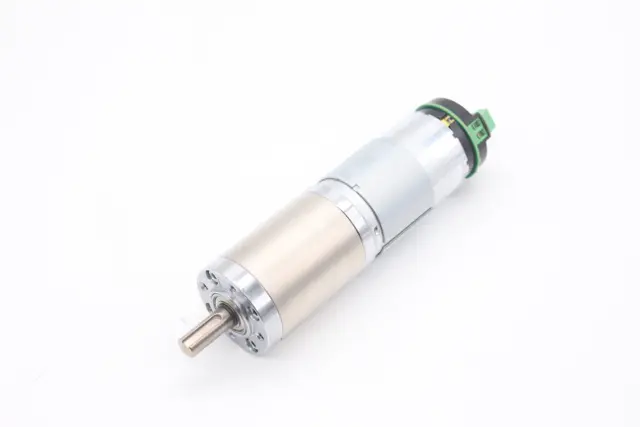
Motor series to compare for this kind of project.
Frequently Asked Questions
Does this mean SiC drives will replace standard AC drives soon?
The source article says conventional IGBT-based low-voltage AC drives are expected to remain dominant for the foreseeable future because industrial users value cost effectiveness, reliability history and supply maturity.
Which motor applications are most likely to consider SiC drives first?
The article points to demanding use cases involving high speed, energy efficiency, power density and power quality. Buyers can use that as a screening guide for compact machinery, water systems, data-center infrastructure and other constrained installations.
What should buyers verify before specifying a SiC-based drive?
Buyers should confirm motor compatibility, switching-frequency effects, cable and bearing protection needs, thermal design, service availability, supplier experience and whether the efficiency or size benefit is meaningful in the actual application.
Source
This article summarizes publicly available source information. Confirm technical details, pricing and compliance requirements with the original source before making purchasing decisions.
Source date: 2026-08-07