

Quick Takeaways
- The U.S. Army awarded Siemens a contract covering digital and physical manufacturing facilities for electric motor stator assemblies.
- The project is tied to unmanned aircraft systems and the conversion of Anniston Army Depot in Alabama into an advanced manufacturing hub.
- Drives & Controls reported that the stator assembly lines will use digitally connected manufacturing elements and a flexible, modular environment.
- For motor buyers, the update points to growing attention on production resilience, traceability and adaptable motor-component capacity.
Industry Update
Drives & Controls reported on August 11, 2026 that the U.S. Army awarded Siemens an $80 million contract to supply digital and physical manufacturing facilities for electric motor stator assemblies used in unmanned aircraft systems.
The report says Siemens Government Technologies will convert Anniston Army Depot in Alabama into an advanced manufacturing hub. The project is described as using a born-digital approach, with an integrated production environment supported by digital twins.
According to the report, the stator assembly lines will include digitally connected advanced manufacturing elements. The planned environment is also described as flexible and modular, with safety, power and energy resilience included for operations.
The update is specific to defense-related unmanned aircraft production, but the manufacturing theme is broader: electric motor components are being treated as critical assemblies that need controlled production, repeatability and resilient infrastructure.
Buyer Considerations
Motor buyers and sourcing teams should read this as another sign that stator manufacturing capacity, process control and production-location resilience can matter alongside motor price and nameplate specifications. For applications with demand volatility or regulatory sensitivity, supplier questions may need to cover how core motor components are produced and verified.
Engineering teams comparing AC motors, BLDC motors, precision motors or custom stator assemblies can use this update as a prompt to ask suppliers about production flexibility, inspection methods and continuity planning. A supplier with adaptable production capability may be better positioned when a program changes volume, dimensions or qualification requirements.
The report does not state that the project affects commercial motor availability or lead times. Buyers should therefore avoid assuming a direct market impact, while still tracking the wider movement toward digitally connected motor-component production.
For OEMs and automation builders, the practical takeaway is to include manufacturing-process questions in supplier evaluation: stator winding control, documentation, energy resilience, quality traceability and the supplier's ability to adapt production lines without resetting the entire qualification process.
Motor series to compare for this kind of project.
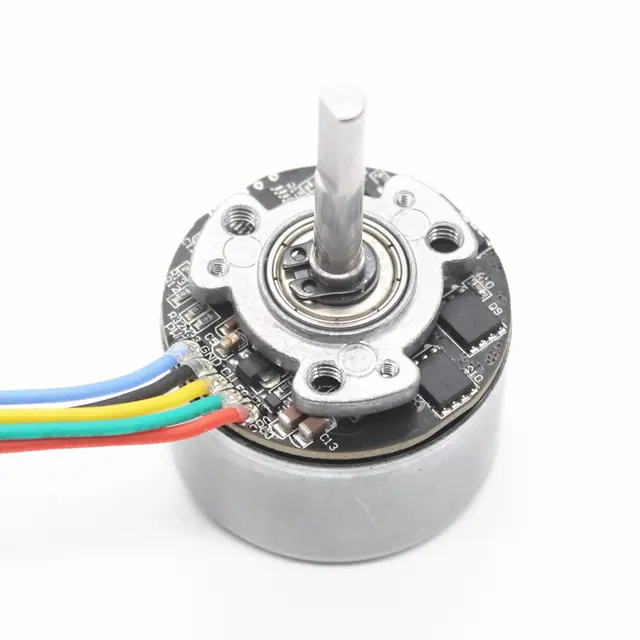 Brushless DC Motors
In internal rotor BLDC motors, the rotor with the permanent magnets rotates on a shaft inside a stationary stator with...
View series
Brushless DC Motors
In internal rotor BLDC motors, the rotor with the permanent magnets rotates on a shaft inside a stationary stator with...
View series
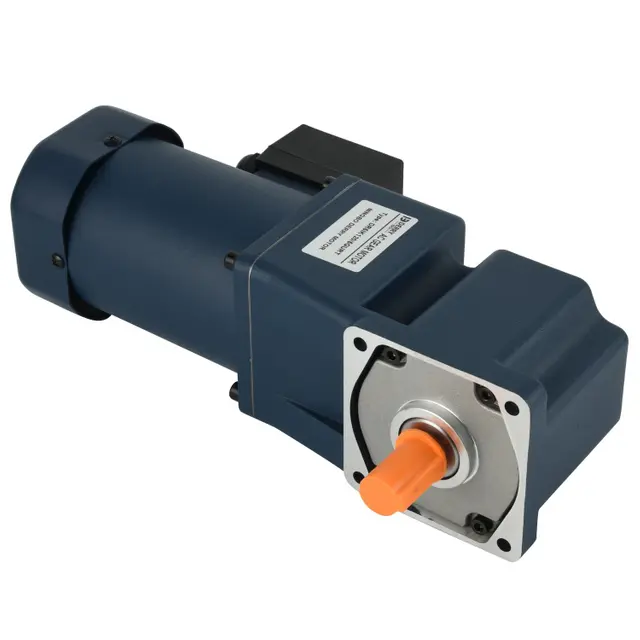 Universal AC Gear Motors
AC motors and gear motors include single-phase motors used with a single-phase AC power supply and three-phase motors...
View series
Universal AC Gear Motors
AC motors and gear motors include single-phase motors used with a single-phase AC power supply and three-phase motors...
View series
Frequently Asked Questions
What changed in this Siemens stator manufacturing update?
Drives & Controls reported that the U.S. Army awarded Siemens an $80 million contract for manufacturing facilities focused on electric motor stator assemblies for unmanned aircraft systems.
Does this directly change commercial electric motor supply?
The report is about a defense manufacturing project, so it does not prove a direct change in commercial motor supply. It is still relevant because it highlights production resilience and modular manufacturing for motor components.
Why should motor buyers care about stator production?
The stator is a core motor assembly. Its manufacturing quality, process control and supply continuity can affect motor performance, qualification confidence and long-term sourcing risk.
What should buyers verify with motor suppliers?
Buyers should verify production controls, inspection records, winding and lamination capability, continuity planning, and whether suppliers can adapt production for custom or changing motor requirements.
Source
This article summarizes publicly available source information. Confirm technical details, pricing and compliance requirements with the original source before making purchasing decisions.
Source date: 2026-08-13