
Quick Takeaways
- Symbotic announced on October 13 that it acquired Bremen-based cellumation, the developer of the celluveyor sortation platform.
- The companies say cellumation will continue under its own name from Bremen and continue serving its existing customer base.
- The celluveyor uses independently controlled, omnidirectional cells for material movement and sortation rather than a conventional fixed conveyor path.
- Automation teams can use the announcement as a prompt to review layout flexibility, integrator support, service coverage, and control architecture for future material-flow projects.
Industry Update
Symbotic announced the acquisition of cellumation GmbH on October 13, 2026. According to the announcement, the Bremen company will continue operating under its own name and brand, with its founding leadership team remaining in place.
cellumation develops the celluveyor, a software-driven sortation platform made up of independently controlled omnidirectional cells. Symbotic says it plans both to integrate the technology into its supply-chain solutions and to retain it as a product available to other customers and integrators.
For material-handling projects, the update is relevant because cell-based conveyance changes the motion problem from routing products through fixed conveyor sections to coordinating many controlled movement elements. The source describes the platform as a way to support denser layouts and broader item handling; final capability still depends on the designed system and application conditions.
Buyer Considerations
Buyers considering upgrades to parcel, e-commerce, or manufacturing material flow can compare this type of modular sortation platform with conventional conveyor, diverter, and transfer designs. The comparison should include the range of products, required throughput, footprint, accumulation behavior, controls integration, and maintenance access rather than relying on a single layout claim.
The acquisition does not by itself change an installed system's specification or support terms. Teams with an active project can confirm which engineering, commissioning, service, and spare-parts responsibilities apply in their region, especially where multiple automation suppliers and motorized conveyance components are involved.
For a new project, request application-specific documentation covering movement modules, control interfaces, safety functions, environmental limits, and the method used to recover from a stopped or unavailable cell. Those details help determine whether a distributed-motion approach fits the operational risk and maintainability requirements of the line.
Motor series to compare for this kind of project.
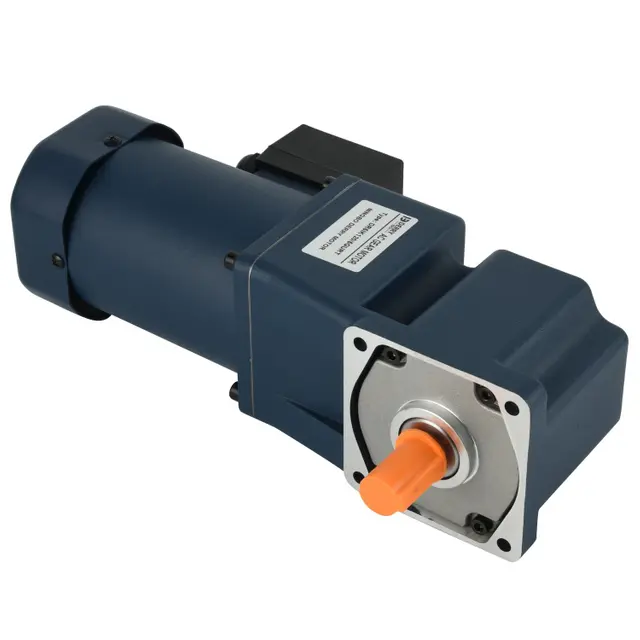 Universal AC Gear Motors
AC motors and gear motors include single-phase motors used with a single-phase AC power supply and three-phase motors...
View series
Universal AC Gear Motors
AC motors and gear motors include single-phase motors used with a single-phase AC power supply and three-phase motors...
View series
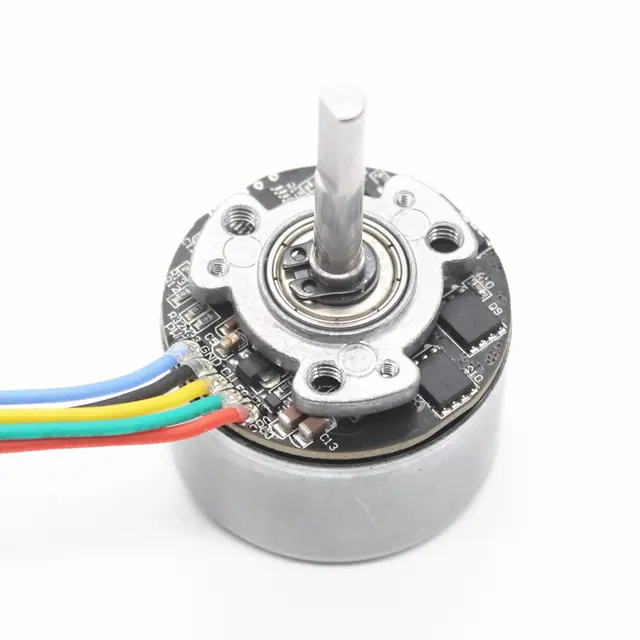 Brushless DC Motors
In internal rotor BLDC motors, the rotor with the permanent magnets rotates on a shaft inside a stationary stator with...
View series
Brushless DC Motors
In internal rotor BLDC motors, the rotor with the permanent magnets rotates on a shaft inside a stationary stator with...
View series
Frequently Asked Questions
What did Symbotic acquire?
Symbotic announced that it acquired cellumation GmbH, the Bremen-based developer of the celluveyor software-driven sortation platform.
Will cellumation continue to operate independently?
The companies state that cellumation will continue operating under its own name and brand from Bremen, while serving its existing customer base.
What is the celluveyor used for?
The source describes it as a sortation platform using independently controlled omnidirectional cells to move and route items within material-handling systems.
What should warehouse automation buyers verify?
Verify the specific product range, throughput target, controls and safety interfaces, local service model, maintenance access, and project-level responsibility before selecting any material-flow system.
Source
This article summarizes publicly available source information. Confirm technical details, pricing and compliance requirements with the original source before making purchasing decisions.
Source date: 2026-10-16