
Quick Takeaways
- Electric Motor Engineering reported on August 31, 2026 that Texas Instruments introduced the TMCS2100-Q1 for HEV and EV traction inverter current sensing.
- The device uses multiaxial coreless Hall-effect sensing to measure horizontal and vertical magnetic fields around the current conductor.
- TI says the approach is intended to reduce displacement-related measurement error and magnetic crosstalk between nearby conductors or phases.
- The update is relevant to motor control teams evaluating torque accuracy, torque ripple, inverter packaging and sensor placement under vibration.
Industry Update
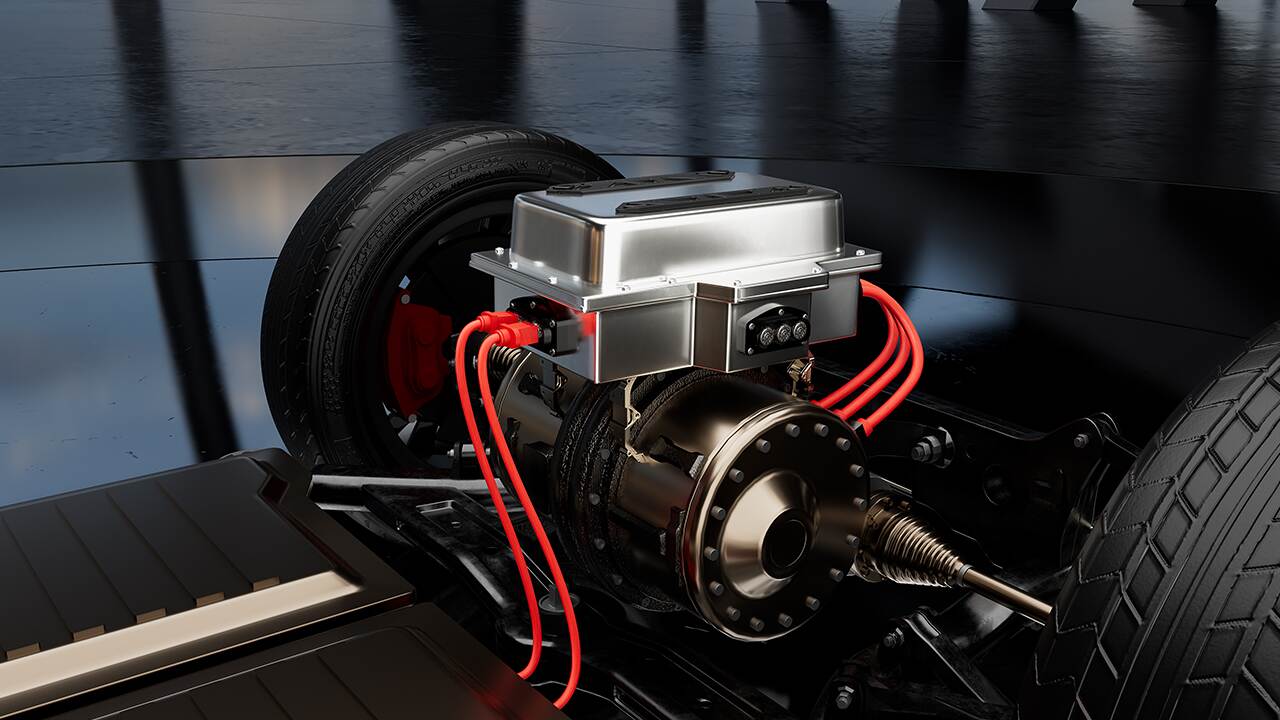
Texas Instruments has introduced the TMCS2100-Q1, a multiaxial coreless Hall-effect current sensor aimed at hybrid and electric vehicle traction inverters. Electric Motor Engineering reported the update on August 31, noting that the device is designed to improve phase-current measurement, which is a key feedback signal for electric motor torque control.
The article says the TMCS2100-Q1 measures magnetic fields on both horizontal and vertical axes and uses processing to address conductor-to-sensor displacement. In conventional single-axis coreless sensing, small movement between the conductor and sensor can affect the detected magnetic field, especially in systems exposed to vibration.
TI reports that the device can deliver higher accuracy than single-axis coreless alternatives and lower displacement error under small conductor movements. The company also links the architecture to reduced magnetic crosstalk between neighboring conductors and phases, a practical concern in compact traction inverter layouts.
The sensor is positioned for inverter designs where engineers want the footprint benefits of coreless current sensing without accepting the same sensitivity to placement error. The source also connects the update to higher-voltage electric architectures, where current measurement precision, switching behavior and thermal design become more important to drivetrain performance.
Buyer Considerations
For motor and drive buyers, the practical lesson is that phase-current sensing should be reviewed as part of the full motor control loop, not treated as a commodity component. Current feedback quality can affect electromagnetic torque regulation, torque ripple, noise, vibration and perceived smoothness under changing load conditions.
Engineering teams comparing BLDC motor drives, traction inverters or high-power servo systems should ask how the drive supplier handles conductor placement, sensor calibration, magnetic interference and vibration. A current sensor with better displacement tolerance may help reduce integration risk, but the final result still depends on board layout, busbar shape, shielding and control software.
Procurement teams should also verify application fit rather than relying only on the headline device category. Important checks include automotive qualification needs, voltage class, isolation requirements, operating temperature range, package availability, evaluation hardware and whether the supplier can support the expected production timeline.
Although this update is focused on vehicle traction inverters, the same selection logic can apply to industrial motion-control systems where compact packaging and accurate torque response matter. Buyers of custom motor assemblies, high-voltage drives and inverter-integrated motor systems should make current-sensing architecture part of the technical review.
Motor series to compare for this kind of project.
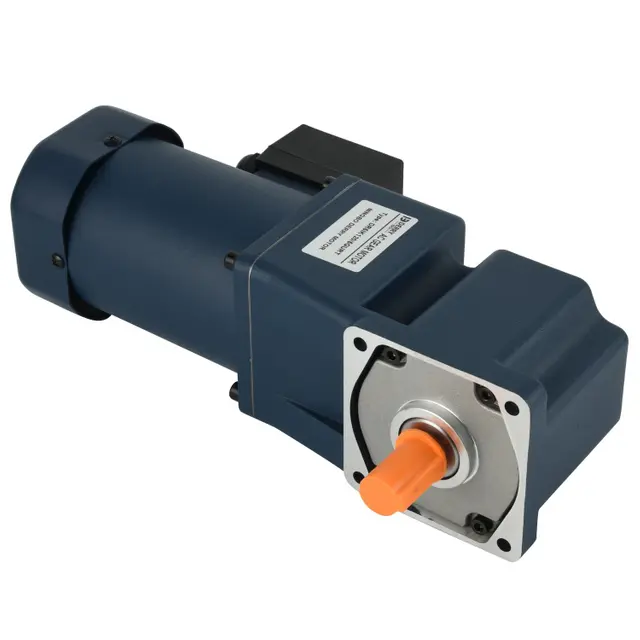 Universal AC Gear Motors
AC motors and gear motors include single-phase motors used with a single-phase AC power supply and three-phase motors...
View series
Universal AC Gear Motors
AC motors and gear motors include single-phase motors used with a single-phase AC power supply and three-phase motors...
View series
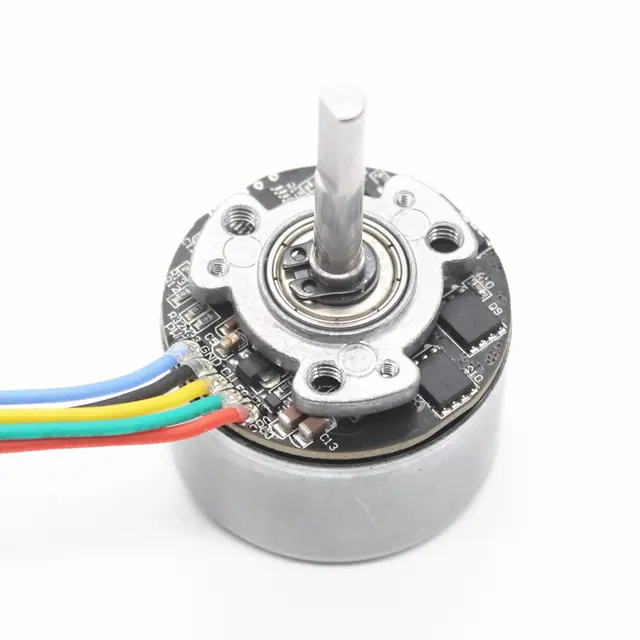 Brushless DC Motors
In internal rotor BLDC motors, the rotor with the permanent magnets rotates on a shaft inside a stationary stator with...
View series
Brushless DC Motors
In internal rotor BLDC motors, the rotor with the permanent magnets rotates on a shaft inside a stationary stator with...
View series
Frequently Asked Questions
What changed in this TI current sensor update?
TI introduced the TMCS2100-Q1, a multiaxial coreless Hall-effect current sensor intended for traction inverter current measurement in hybrid and electric vehicle motor control systems.
Why does current sensing matter for motor buyers?
Phase-current feedback helps the control system regulate motor torque. Measurement error can affect torque accuracy, torque ripple, vibration, noise and efficiency, especially in compact inverter designs.
Does this update only matter for EV traction motors?
The source focuses on HEV and EV traction inverters, but the buying checks are also relevant to industrial drives, BLDC motor controllers and servo systems that need accurate current feedback in tight electrical layouts.
What should engineering teams verify before adopting a similar sensor?
Teams should confirm qualification level, voltage and isolation fit, expected displacement tolerance, board or busbar layout requirements, thermal limits, evaluation tools and production availability with the supplier.
Source
This article summarizes publicly available source information. Confirm technical details, pricing and compliance requirements with the original source before making purchasing decisions.
Source date: 2026-09-01