
Quick Takeaways
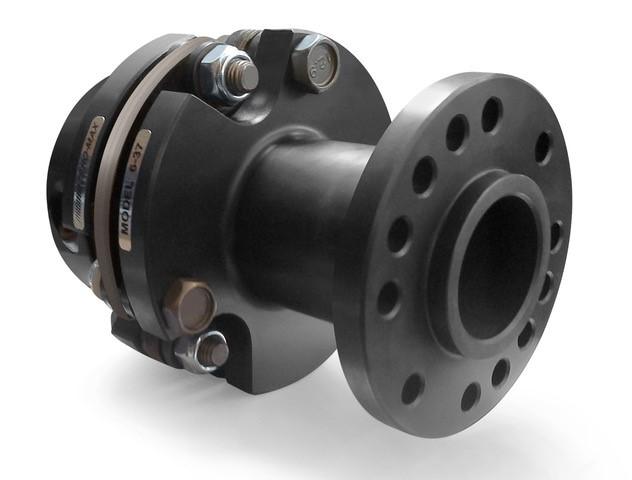
- Zero-Max has added an ISO flange adaptor for CD Power-Series couplings used in high-torque motion-control applications.
- The update is relevant where servo motors, reducers and driven shafts must be matched to a compact coupling layout.
- Buyers should confirm flange pattern, bore size, torque rating, speed range and installation envelope before substitution.
Industry Update
Motion Control Tips reported that Zero-Max has added an ISO flange adaptor to its CD Power-Series coupling line. The adaptor extends how the coupling can be mounted in machinery that uses ISO-style output flanges, a common requirement around servo-driven axes, reducers and compact machine modules.
CD couplings are used to transmit torque while accommodating controlled shaft misalignment. For equipment builders, a flange adaptor can reduce the amount of custom interface work needed when a coupling must sit between a motor, reducer or driven mechanism with fixed mounting layout.
The update is a component-level development rather than a complete motor-system release, but it matters because many automation reliability issues begin at the connection between the drive source and the load. A coupling choice affects shaft alignment, installation time, bearing loads and maintenance access.
Buyer Considerations
Motor and reducer buyers should treat the adaptor as a fit-and-validation item. The first checks are mechanical: ISO flange size, bolt pattern, pilot diameter, shaft bore, keyway or clamp style, available axial space and guard clearance.
Engineering teams should also verify torque capacity, peak acceleration, reversing duty and any shock-load conditions against the selected motor and reducer combination. A coupling that fits the flange still needs to match the dynamic load profile of the axis.
For replacement projects, the practical value is comparison speed. If an existing machine uses an ISO-pattern flange, buyers may be able to evaluate a standard adaptor instead of requesting a custom coupling interface, but final approval should still come from the component supplier and the machine design team.
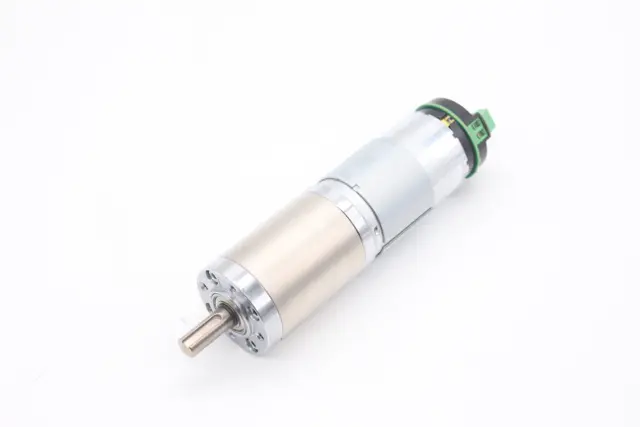
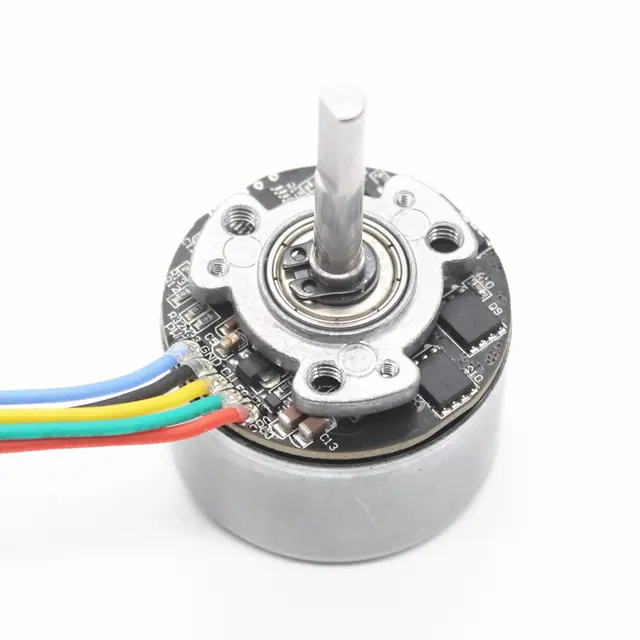
Motor series to compare for this kind of project.
Frequently Asked Questions
Does this update apply only to servo motors?
No. The most obvious use case is servo-driven machinery, but any compatible motor, reducer or driven shaft assembly with the right flange and torque requirements may be part of the evaluation.
What should buyers verify before specifying the adaptor?
Buyers should verify the ISO flange pattern, shaft dimensions, coupling size, torque rating, speed limit, misalignment allowance and available installation space.
Why does a coupling adaptor matter in motor selection?
The motor may be correctly sized electrically, but the mechanical connection must still transfer torque reliably without adding avoidable alignment or maintenance problems.
Source
This article summarizes publicly available source information. Confirm technical details, pricing and compliance requirements with the original source before making purchasing decisions.
Source date: 2026-09-21